Formats like the Kings League or the Baller League polarise audiences.
Some love them. Others reject them outright. For us, that debate is secondary. A far more interesting question is this:
Why are these formats emerging right now – and what are they changing beyond the pitch?
Because when you look a little closer, one thing becomes clear very quickly:
- Sportainment is not only changing how sport is consumed.
- It is changing the role products play in sport – and that includes the jersey.
Sportainment is not a new sport – It’s a new system
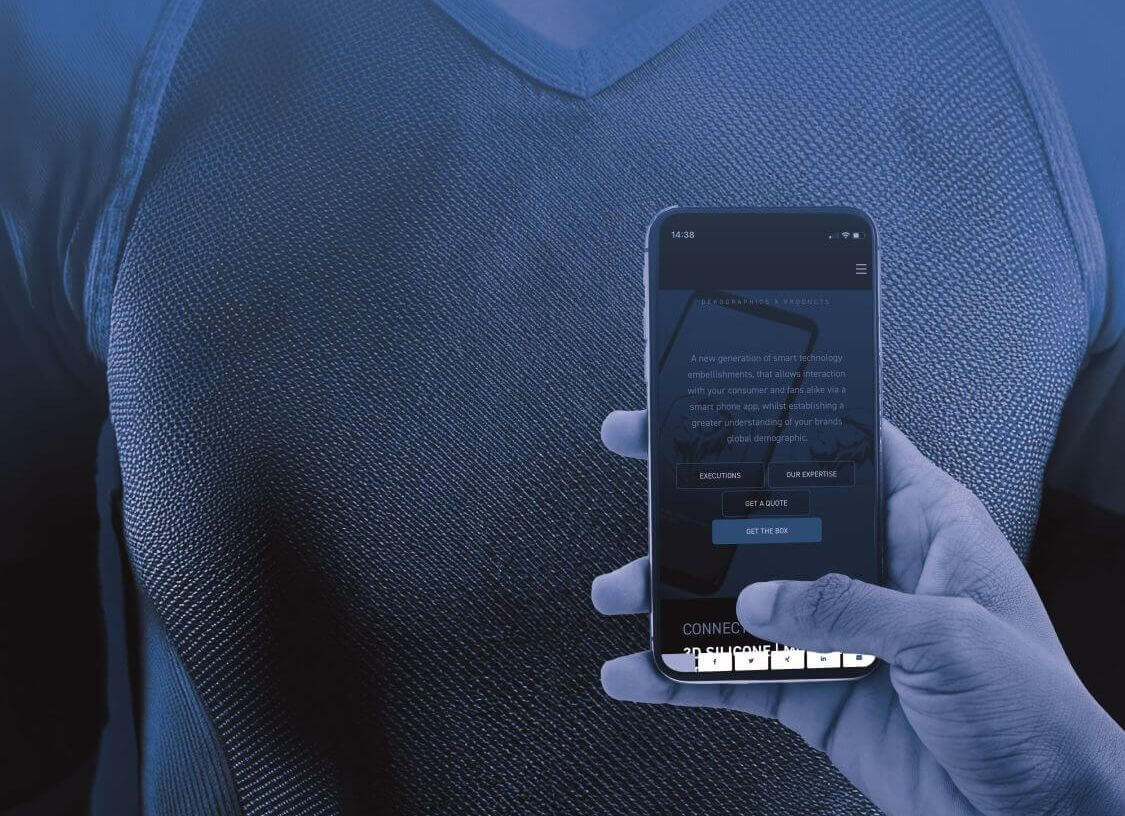
Sportainment is often discussed in terms of rules, playing time or show elements. But that misses the point. The key question is not what is being played, but within which system.
These formats are not built TV-first. They are platform-first. They do not rely on fixed broadcast windows, but on constant presence and ongoing participation
Interaction is not an add-on. It is part of the core.
Fans don’t just watch anymore – they comment, react, share and influence. Sport becomes less of a closed event and more of a continuous social process.
Why this shift is happening now
The timing is no coincidence. Several developments are converging:
- A generation raised on gaming and social media.
- Platforms where interaction is the default, not the exception.
- Brands that expect more than pure visibility.
Sportainment is a logical response to this reality. Not as a replacement for traditional sport, but as an additional layer with its own mechanics. And these mechanics don’t only affect media formats – they affect everything that is part of the system.
Including physical products.
When the system changes, the jersey changes too
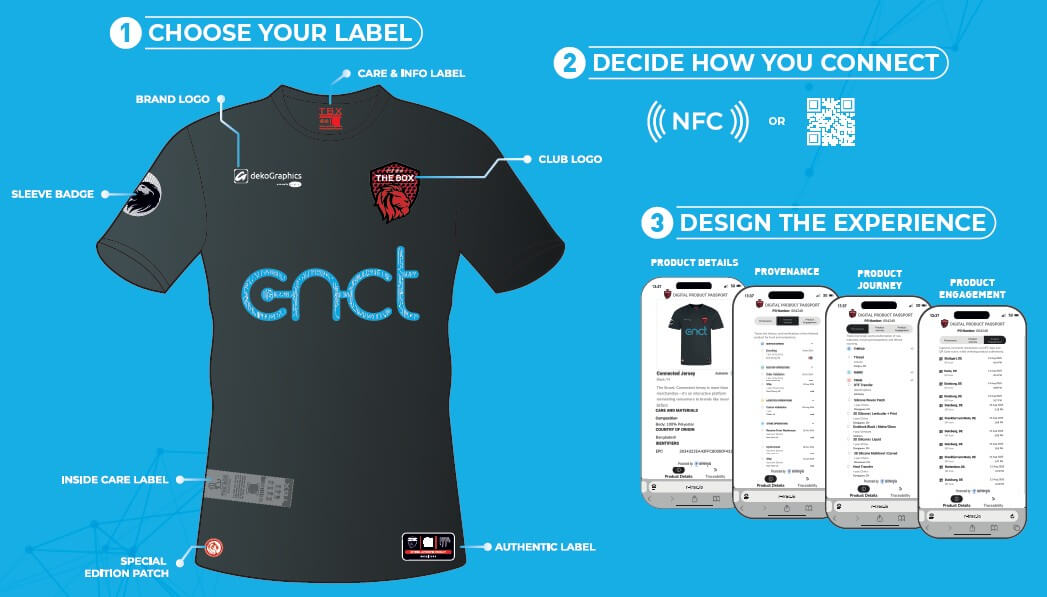
For a long time, the role of the jersey was clearly defined. It represented the club, carried logos and sold merchandise. Its function was visual and symbolic.
In a sportainment context, that role begins to shift. When fans are actively involved, content is unlocked and communities form, the system needs physical anchor points – something that carries identity while enabling connection.
The jersey naturally moves into a new position. Not because the jersey itself has changed – but because the context around it has.
From merchandise to an active part of the fan journey
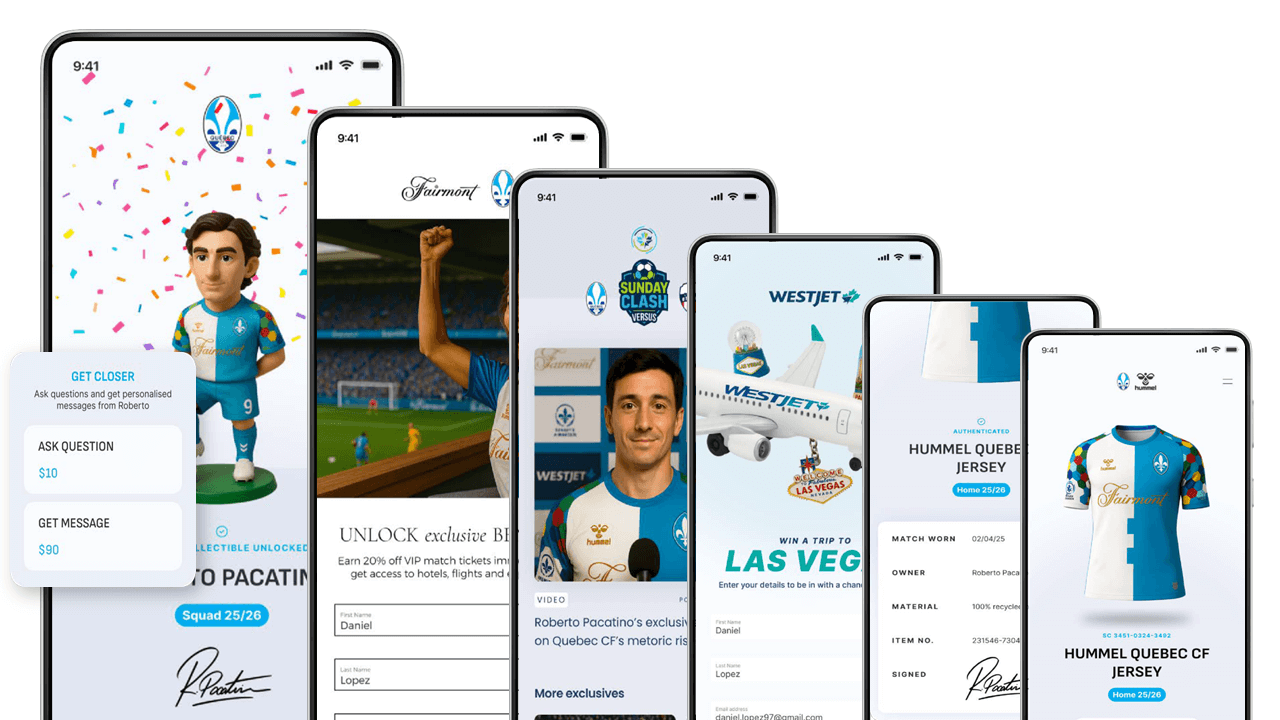
In the traditional model, a jersey’s journey usually ends at the point of purchase. From then on, it is a worn symbol – but functionally silent.
Sportainment works differently. The product remains part of the experience. After the purchase. After the match. The jersey becomes a starting point for further touchpoints between clubs, fans and partners.
Not because it is “smart”. But because it is visible, emotional and permanently present.
Sponsorship areas lose their static nature
This shift directly affects sponsors. In an environment where content is fragmented and engagement matters more than raw reach, visibility alone is increasingly insufficient.
Sponsorship is moving:
- from placement to activation
- from reach to interaction
- from logo to experience
The jersey becomes more than a surface. Sleeve badges, chest logos or special patches turn into touch points. That creates new demands for design, integration and textile embellishment.
Textile embellishment becomes an interface
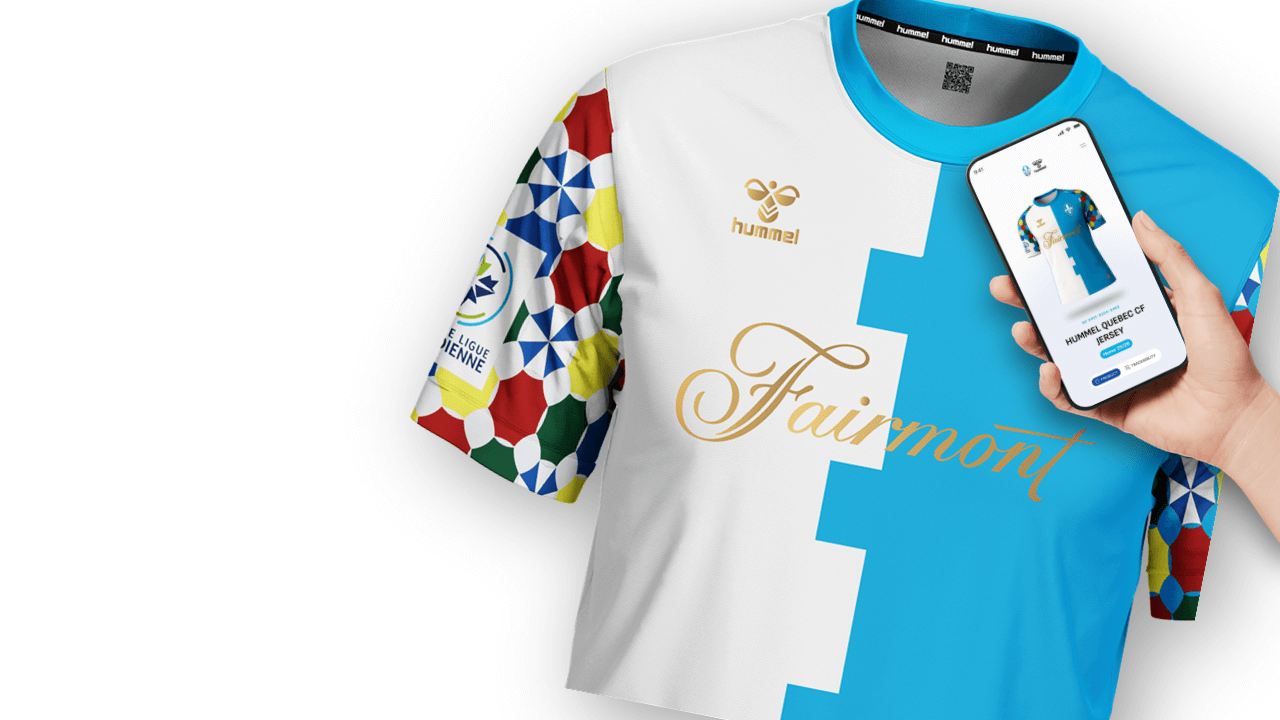
At this point, it becomes clear that the role of textile embellishment is changing as well. It remains responsible for look, feel and durability. At the same time, a new dimension is added.
Textile embellishment becomes the interface between the physical product and the digital experience – discreetly integrated, reliable in everyday use and without compromising design.
This is not about technology for technology’s sake. Fans don’t care about systems or terminology. They care about access, exclusivity, authenticity and experience.
The technology stays in the background. The jersey remains a jersey.
If you’d like to explore how a jersey can become an active touchpoint between clubs, fans and digital content, you’ll find a deeper perspective here:
👉 Connected Jersey: From Jersey to Digital Touchpoint
Why new formats accelerate this development
New sport formats have a decisive advantage: they are not constrained by legacy structures. They can test, adapt and experiment without putting existing models at risk.
This creates environments where new roles for products become visible. Sportainment is less a finished destination and more an experimental field for future standards.
The jersey as an interface – without losing its identity
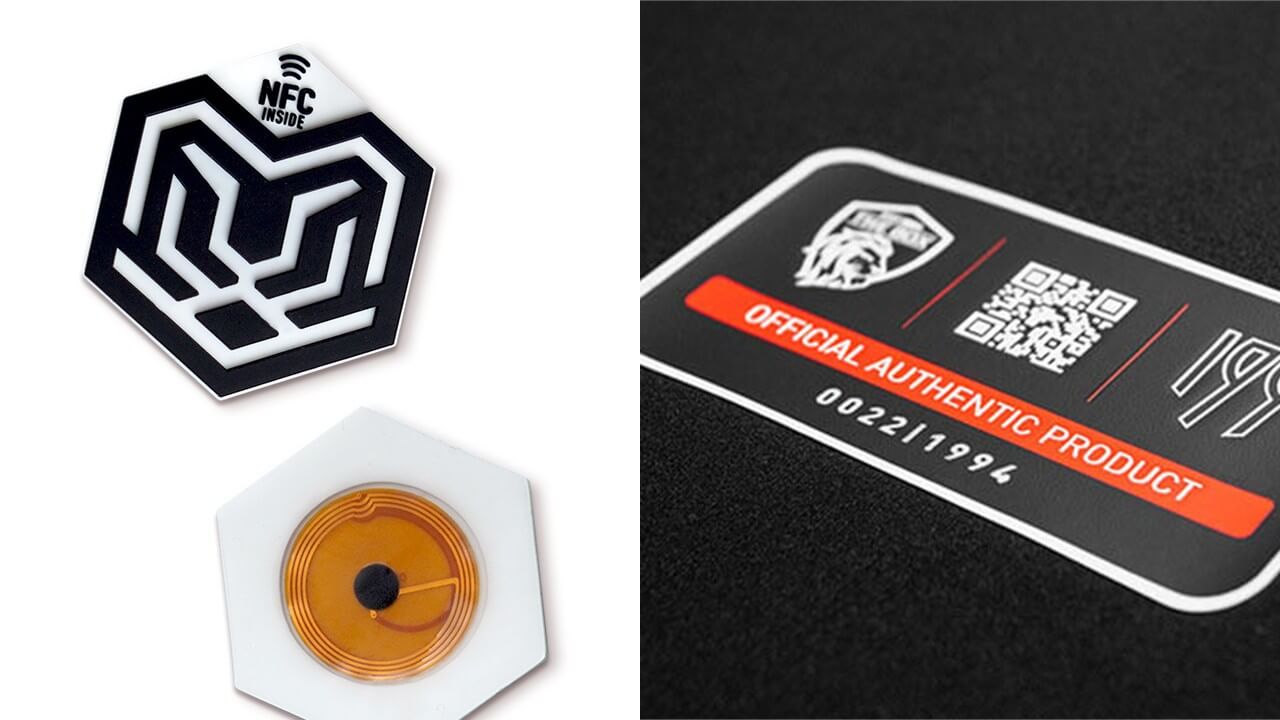
One thing is crucial: this development does not mean breaking with tradition. Jerseys remain emotional, identity-defining and central to design.
At the same time, a new expectation emerges:
That a jersey doesn’t only represent – but connects.
That connection must be discreet, durable and seamlessly integrated into existing processes. This is where it becomes clear whether textile embellishment actively shapes the transition – or merely reacts to it.
What this means for clubs
For clubs, a strategic question is becoming unavoidable:
What role should the jersey play within our fan journey?
Not as a large-scale transformation project. But step by step. Pilot projects quickly show how fans respond, how sponsors can be activated and where measurable value emerges.
The jersey doesn’t become more complex – it becomes more valuable.
What this means for brands and sponsors
Brands face a similar shift. Jersey surfaces become activatable, engagement becomes measurable and stories can be extended beyond a single moment.
But only if the jersey is prepared for that role.
A logo that is only visible remains static. A logo that can also carry function becomes part of a system.
We’ve explored how this shift also affects business models and sponsorship logic in more detail here:
👉 From Merchandise to Platform: How Connected Jerseys Open Up New Business Models for Clubs

Conclusion: The jersey remains – but Its role grows
Sportainment is not a short-term trend. It is a signal that expectations around sport, brands and products are changing.
The jersey remains:
emotional
- visible
- identity-defining
But it also becomes:
functional
- connectable
- activatable
Not because it is technically possible, but because it is becoming necessary
What should your jersey be able to do in the future?
Because looking good alone will no longer be enough in the age of sportainment.
If you’d like a structured overview of how jerseys can evolve into connecting touchpoints between clubs, fans and digital systems, you’ll find it here:
👉 Connected Jersey – The Next Generation of Jerseys for the Next Generation of Fans
TRUSTED BY


