Many professional football clubs now choose to produce their club logo in 3D SILICONE.
Not because this technique is “better” than all others, but because it brings design, feel, application and future use together in one clear material system.
In practice, this reduces unnecessary transitions between different techniques and materials across the club logo, neck labels and special badges. It also makes later additions easier and creates more stable processes – often across several jersey seasons.
In professional football, the club logo is not being reinvented. But the way it is used is changing.
A scene from everyday practice
When clubs plan new jerseys today, one thing stands out: the club logo is discussed much earlier.
Not because the crest suddenly matters more than before. But because its role has grown.
What used to be mainly a visual element is now seen as part of a wider system – with effects far beyond design alone.
The club logo moves to the start of the process

In many projects, jersey development still begins in a familiar way: colours, patterns, visual ideas. But one question now comes up much sooner:
How will we apply the club logo?
The reason is simple. Decisions about the crest now affect many other elements on the jersey. Once the logo is defined, it often also sets the direction for:
- Authentic labels
- Neck labels
- Special and anniversary badges
- Limited editions
- Digital elements such as QR or NFC features
That is why these elements are increasingly planned together – and produced within one material system. The club logo becomes the reference point for both design and technical decisions across the jersey.
The real issue: Different logo techniques ceate chaos later
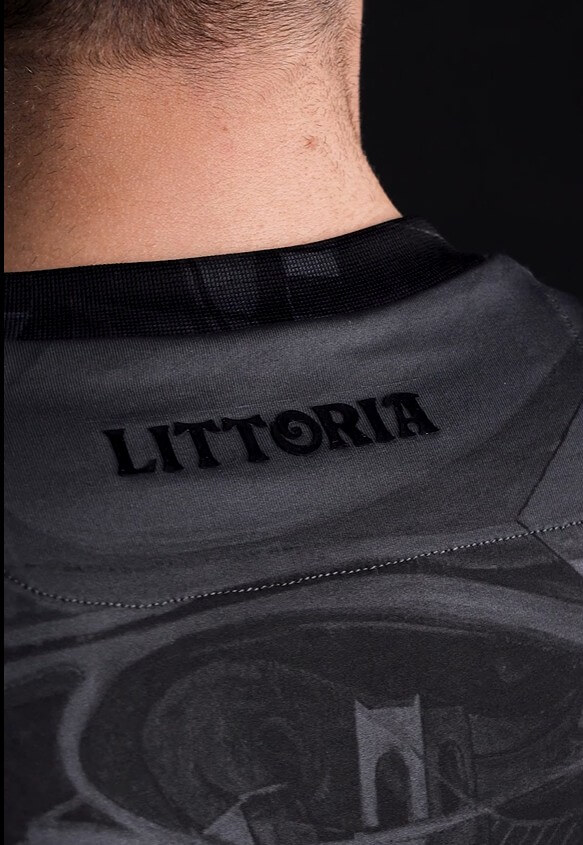
Many clubs know this situation well:
- The club logo is embroidered
- The neck logo is printed
- The authentic label uses another technique
Each element works on its own. Together, they do not form a system.
This leads to:
- Different looks and feels on one jersey
- Several application settings
- More changes in production
- Higher risk for reorders or special editions
This is where thinking changes: away from single logos, towards the material logic of the whole jersey.
What we see on new jerseys today

Looking at jerseys from recent seasons, one pattern is clear: many clubs now apply their crest in 3D SILICONE.
Not because other techniques no longer work. But because 3D SILICONE can meet many requirements within one technique.
Why Clubs Choose 3D SILICONE
The strength of 3D SILICONE is not one single feature. It is the combination.
It allows for:
- Very fine lines and small details
- Free-standing lettering
- Different heights and layers
- Matte, satin or textured surfaces
- Multi-level effects without changing technique
For clubs, this means creative freedom within a clear material framework. This is especially helpful when designs become more detailed or elements are very small.
How social media changed the view on details
Another key factor today is social media.
Jersey launches are no longer seen only in the stadium or on TV. Long before fans touch a jersey, it has already been zoomed in on, shared and discussed – in reels, campaign videos and close-up shots.
These close-ups change expectations.
Materials, edges and surfaces are clearly visible. Quality must work not only from a distance, but also on a smartphone screen. This is where 3D SILICONE performs very well. It looks clean up close and stays precise even with fine details.
Where classic techniques reach their limits

An embroidered club logo is still a strong and proven option. For traditional crests with clear shapes, embroidery works very well.
Problems start when new demands are added – such as very small lettering, free-standing elements or later additions. Not because embroidery is poor, but because it offers less flexibility.
With 3D SILICONE, the club logo, authentic label and neck labels can all be produced within the same material system. Look and feel may differ, but the technical base stays the same.
An often overlooked advantage: Application

When brand-defining elements use the same technique, application settings stay consistent.
This:
- Makes handling easier
- Reduces adjustments
- Improves process stability
This is especially important for reorders, parallel production or short-term additions.
Adding digital functions to the logo
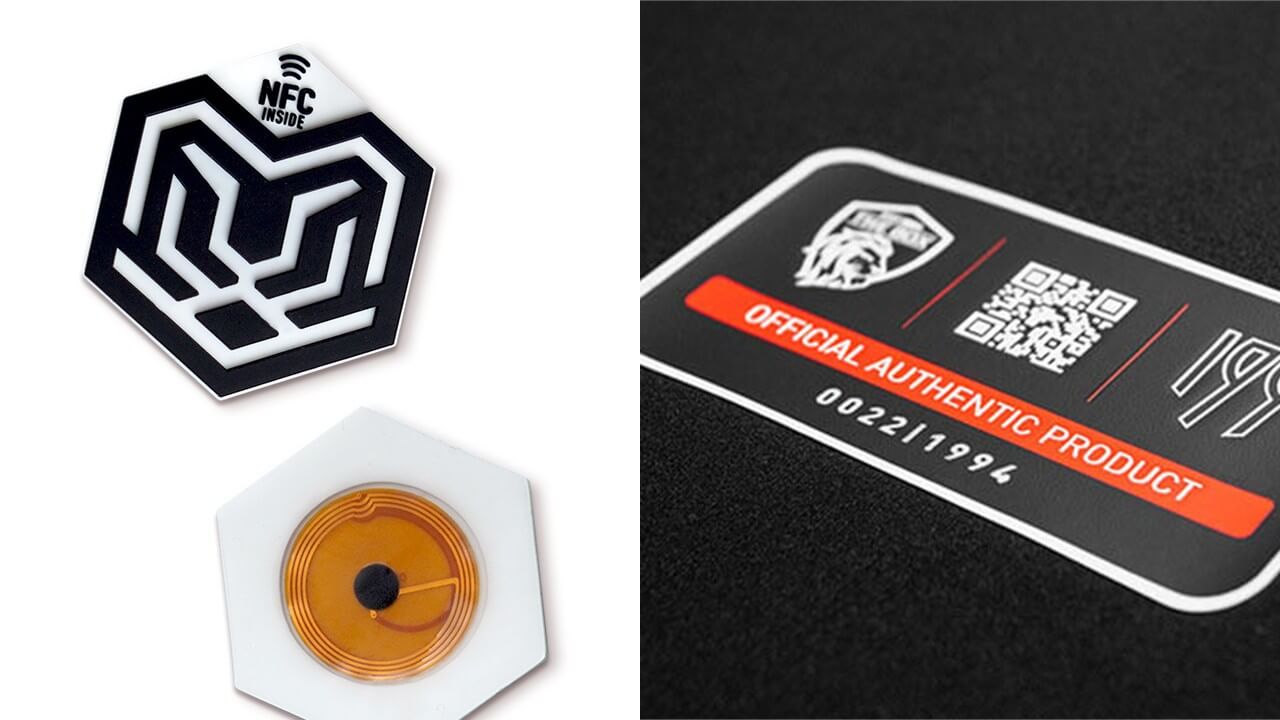
For many clubs, another topic is becoming more important: future use.
With 3D SILICONE, extra functions can be added directly to the logo or label without changing the visible design.
Examples include:
- NFC or RFID chips (for Digital Product Passport (DPP), logistics or authenticity checks)
- QR codes
- Serial numbers for limited editions
Some of these features are possible with other techniques as well. The advantage of 3D SILICONE is that design, feel and function can stay within one material system.
Looking at the whole jersey

Many current jersey concepts follow a clear structure:
- 3D SILICONE for brand-defining elements such as the club logo, labels and special badges
- FLAT PU for functional elements like names, numbers or sponsor logos
The club logo sets the starting point. All brand elements follow the same material logic, each with its own role. Functional elements remain flat and quiet.
From Club Logo to a Clear Embellishment Strategy
The club logo is rarely a standalone decision. Clubs that think about all elements as one system early on create clarity in design, technology and production – and avoid later issues or unnecessary workarounds.
Solutions for clubs – structured by applications
If you would like to get an overview of which elements typically make up a club jersey and how they work together in a meaningful way, you’ll find a structured overview of our solutions for clubs here:
Frequently Asked Questions

Do we need to use one material system for the whole jersey? No. Not all elements need to use the same technique.
Is 3D SILICONE right for every club logo? No. 3D SILICONE is one of several high-quality options. It works particularly well when design, feel, application and future extensions need to be considered together. Other techniques can be just as suitable, depending on the logo and use case.
Does a material system limit design freedom? No. A clear material system creates structure. Within that structure, design can vary through surfaces, heights and finishes. Many clubs find this makes design decisions easier, not harder.
What if we add special badges later? That is exactly what this approach supports. When the club logo is part of a clear material logic from the start, later additions can be integrated without disrupting existing processes.
Is this meant as a recommendation? No. This article reflects what we currently see across many projects. It shows how clubs try to manage growing demands in design, quality and processes – not which technique they must choose.

Conclusion: The club logo as part of a wider system
3D SILICONE is not becoming more common because it is “the best technique”. It is used more often because it helps clubs think about the logo as part of a larger jersey system.
Clubs that decide early benefit from:
- More design flexibility
- More stable processes
- Less stress during the project
The logo does not become more complex. The system behind it becomes clearer.
Let’s talk about it
If you’re currently working on a new jersey or are at an early stage of deciding on embellishment options, we’re happy to support you in developing a coherent overall solution – from the club logo to all other brand-defining elements.
TRUSTED BY


