A limited special-edition jersey is nothing unusual anymore.
Anniversary. Derby. Promotion. Cup win.
Almost every club now releases at least one special edition per season. The idea behind it is simple: exclusivity creates desirability. Desirability creates revenue.
But here is the key question: What actually happens after the sale?
Does the jersey remain a beautiful collector’s item in the wardrobe? Or can it become the starting point of a long-term fan relationship?
In this article, we show how a limited-edition jersey can become a digital membership — without forcing fans to download an app, but with measurable value for clubs, fans, and sponsors.
The Problem: The Limitation Usually Ends at the Checkout
A typical scenario:
- 1,900 units produced
- Numbered
- Sold out within a few days
The club celebrates strong sales figures.
Fans are happy to own an exclusive piece.
And then?
- No further connection.
- No activation.
- No long-term use of that exclusivity.
Yet it is exactly these kinds of special editions that contain enormous potential.
The Idea: The Jersey as a Digital Access Key
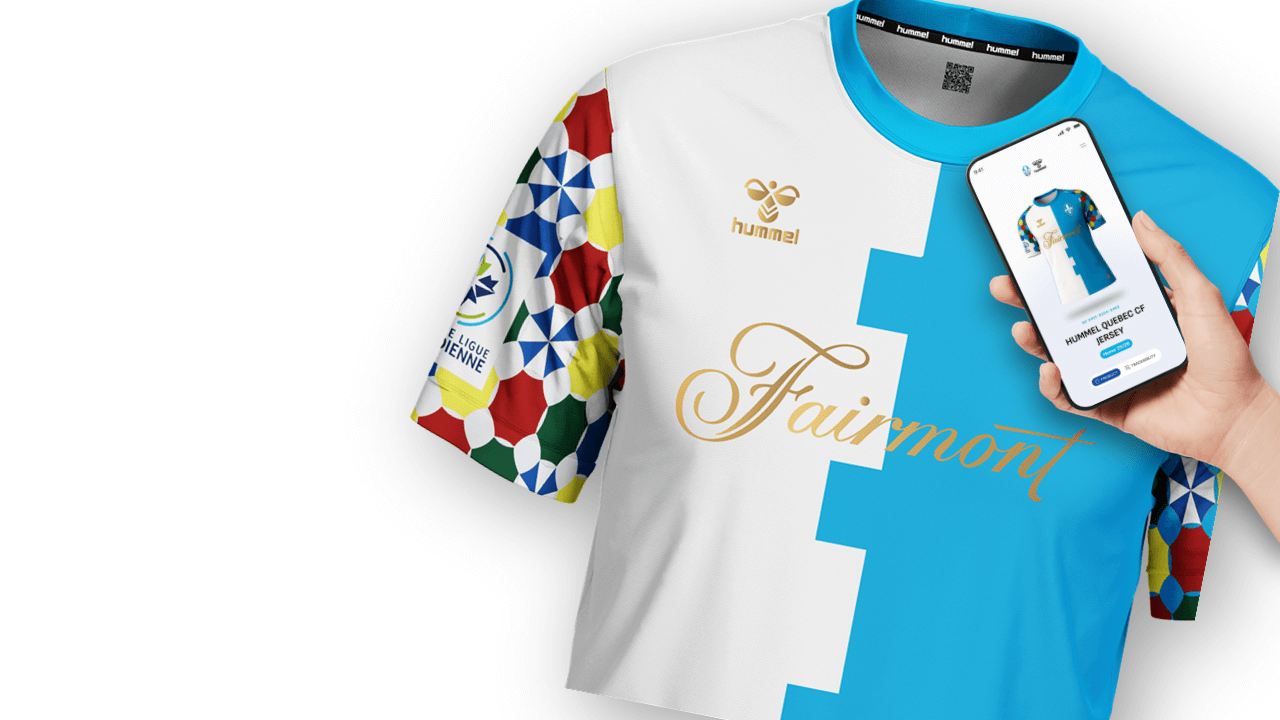
Instead of treating the jersey only as a product, it can be reimagined as an access point.
Each limited edition receives:
- a unique serialization
- optionally integrated NFC or QR technology
- a linked digital product identity
When the fan taps or scans, the following happens: The fan receives a Wallet Pass (Apple Wallet / Google Wallet).
This pass becomes their digital membership.
- No additional app.
- No login.
- No password.
The jersey itself becomes the key.
What Does “Wallet-Native” Actually Mean?
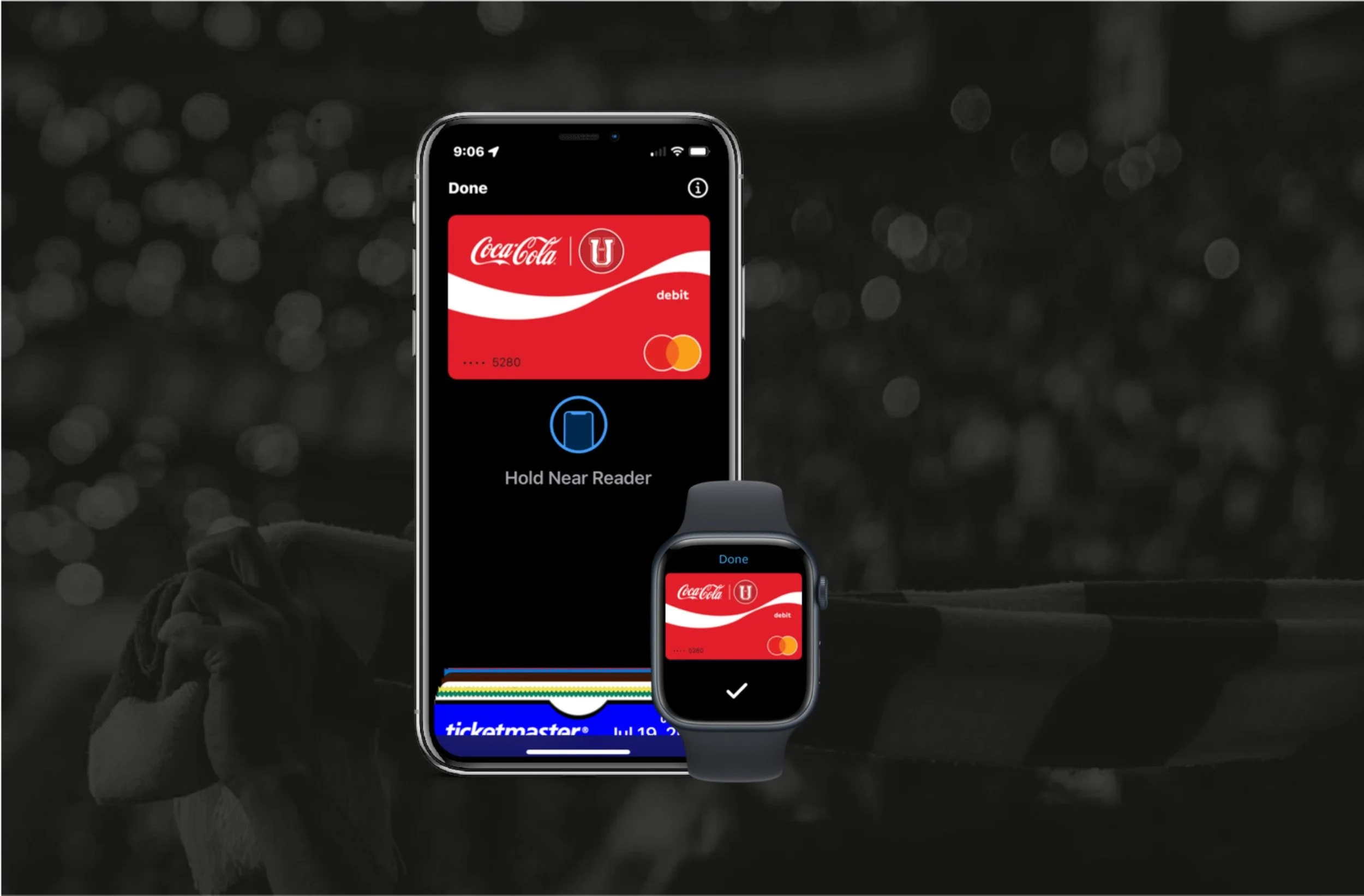
Many digital activations fail because of one hurdle: the app download.
In stadiums or everyday life, fans usually have little patience for:
- registration
- email verification
- password creation
Wallet-native solutions work differently.
- The digital pass is stored directly in the operating system.
- It remains permanently visible.
- It can be updated dynamically.
This means the activation is not a one-time interaction. It becomes persistent.
Website or Wallet? The Strategic Difference
A legitimate question: Isn’t it enough if an NFC element simply links to a website?
Technically speaking: yes.
A fan taps → a website opens → content, discount codes, or loyalty points are displayed.
This works. But it usually remains a one-off interaction. Once the fan leaves the website, nothing permanent remains stored.
The difference is structural:
- Website = interaction
- Wallet = identity
- Website = moment
- Wallet = relationship
With a wallet-native approach, a digital pass is stored that:
- remains permanently visible
- can be updated
- can display status (“Early Access active”)
- contains dynamic QR codes
- supports push notifications
It’s no longer: “Someone visited a website.”
Instead it becomes: “This limited jersey is connected to a digital membership.”
And that is the difference.
Possible Activations for a Limited Edition
Example: A Bundesliga club launches a special edition called “The 12th Man.” Limited to 1,900 units (founding year).
Each jersey includes:
- a serial number in the neck area
- a subtly integrated NFC patch inside the club badge
When tapped, the fan receives a digital membership pass that can be used throughout the season.
Possible use cases
1. Early Access
- 24-hour pre-sale for top matches
- early access to special collections
2. Exclusive Content
- behind-the-scenes insights
- special interviews
- training session access
3. Sponsor Integration
- stadium discount codes
- giveaways only for pass holders
- brand-funded benefits
4. Loyalty Mechanics
- collect points at home matches
- check-in activations
- limited drops for active members only
The jersey therefore becomes more than merchandise. It becomes part of the club’s digital infrastructure.
Recurring Activation Instead of a One-Time Effect
The real value is not created with the first tap — but through recurring experiences.
A club can activate the jersey throughout the entire season.
Examples:
- Match-Day Surprise: Tap the logo before the match → receive a drink voucher or stadium discount.
- Loyalty Rewards: After multiple NFC interactions → receive a digital fan badge or exclusive access.
- Partner Activations: Tap at a sponsor location → cashback or bonus points.
The key point: The club doesn’t just see that an activation happened. They also see when, where and how often. The jersey therefore becomes a permanent touchpoint, not a one-time marketing gimmick.
More Than Discounts: Stored Value and Controlled Access
The real strategic leverage goes even deeper.
Once a digital club card is based on a unique serialized ID, the club can manage not only content or discounts — but access rights and privileges.
For example:
- VIP access to certain stadium areas
- entry to exclusive training sessions
- invitations to limited fan events
- time-limited custom experiences
- personalized sponsor activations
- access to special away-game zones
The crucial point: Every activation can be assigned to a unique identity.
This creates not only engagement, but controlled, digitally managed access.
Why This Is Economically Interesting for Clubs
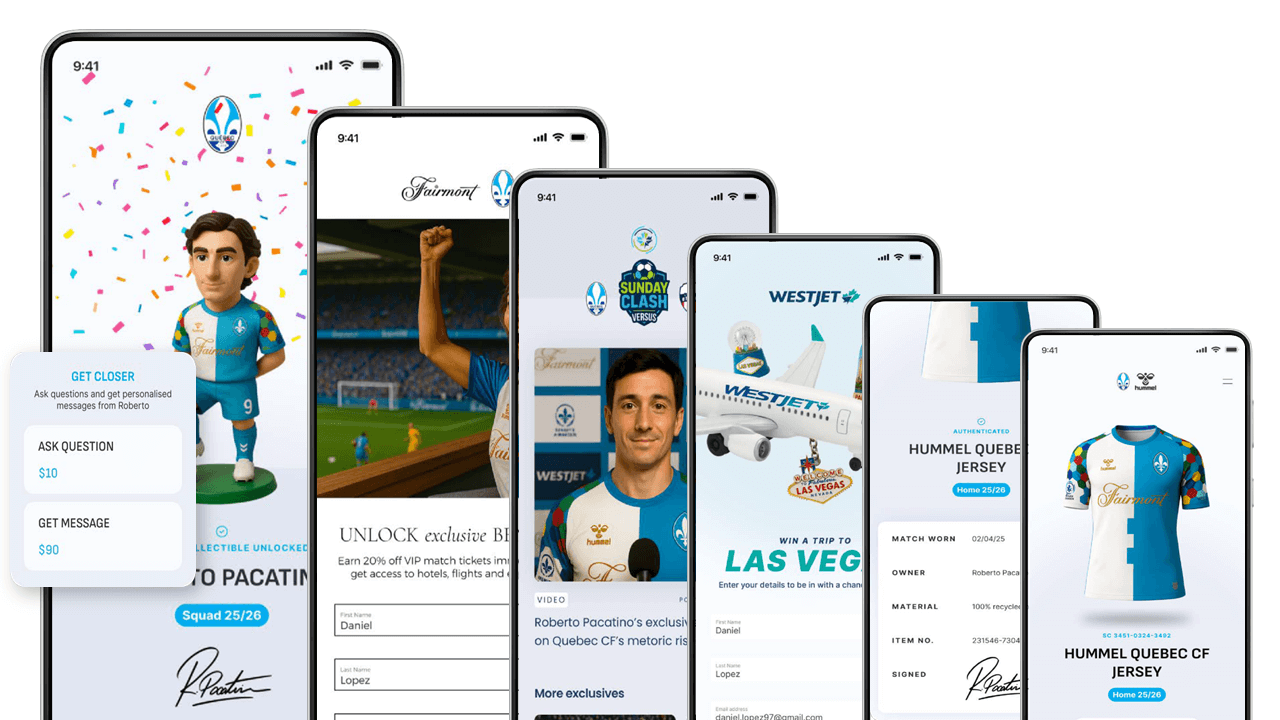
A limited drop usually sells out anyway. The difference lies in the second layer.
1. Higher Perceived Value: Exclusivity is no longer just claimed — it is technically secured.
2. Measurability: Clubs can see:
- how many fans activate
- how often the pass is used
- which sponsor offers perform best
3. New Sponsorship Arguments: Instead of simply selling “logo placement on the jersey,” clubs can now offer:
- wallet-based interaction
- measurable redemption
- direct fan activation
This fundamentally changes the quality of sponsorship conversations.
The Fan Perspective: Why This Works
Fans don’t buy limited jerseys only because of the design.
They buy:
- belonging
- identity
- exclusivity
When this exclusivity becomes tangible through privileges, content, or benefits, the emotional value increases significantly. The key requirement: Activation must be simple.
One tap. One pass. Done.
Strategically Speaking: From Connected Product to Connected Identity
Many clubs still think about merchandising in classic categories:
Design → Production → Sale → End.
Wallet-based activation shifts this logic. It is no longer just about a Connected Product — meaning a product with NFC or a QR code. It becomes a Connected Identity.
The jersey is no longer simply connected. The jersey becomes the carrier of a unique digital identity.
This identity can:
- be activated
- receive access rights
- store value
- control access
- be used throughout the entire season
The value chain therefore extends:
Design → Production → Sale → Activation → Data usage → Reactivation
This is not a short-term hype. It represents a structural shift in club merchandising.
What Does This Have to Do With Heat Transfers?
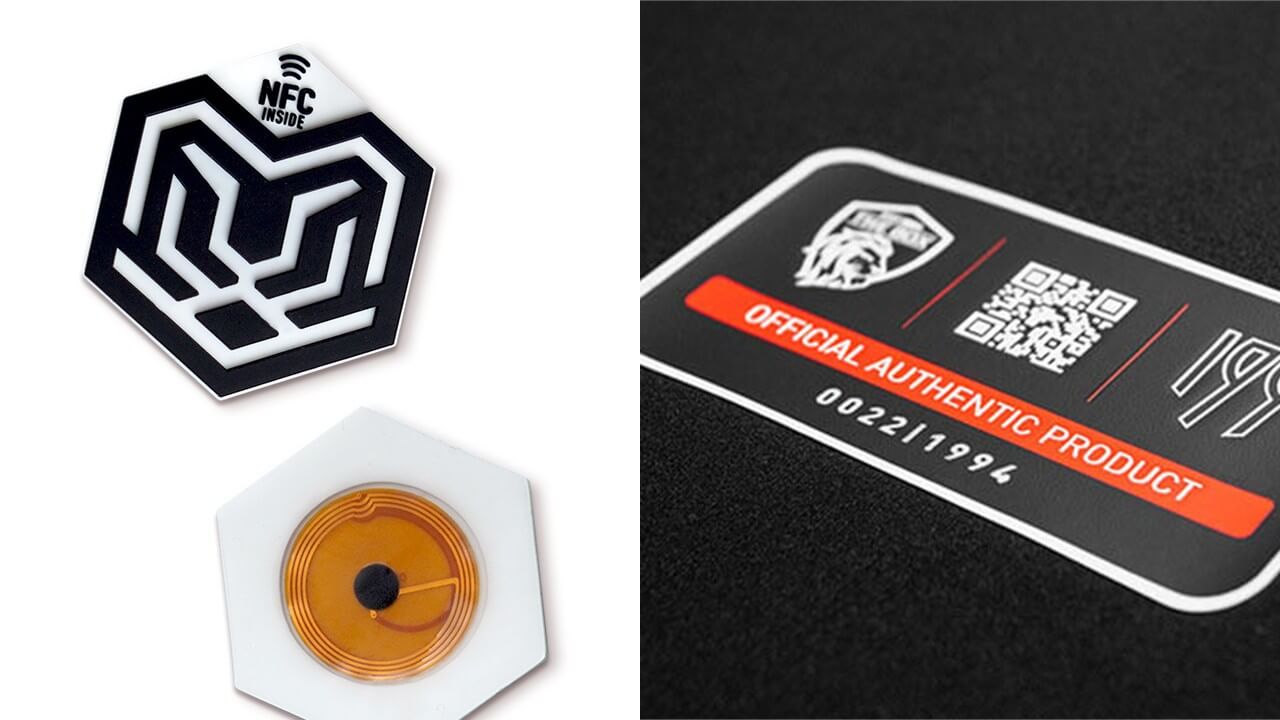
Wallet-based activation can technically work without textiles. A club could distribute digital memberships via tickets, email, or apps.
The real difference appears when the digital identity is tied to a physical product. This is where the jersey — and therefore the club badge — becomes relevant.
If a limited drop is serialized and integrates NFC or QR technology, a product-bound digital identity is created.
This can be implemented through:
Execution quality is crucial.
Once a digital concept is linked to a physical product, that product must function reliably over time. If an NFC element detaches after a few washes, it damages not only the product — but also the trust in the digital extension.
Digital expansion and textile quality therefore must not be treated separately.
What Clubs Should Consider
Not every special edition needs to be digital immediately. But if clubs consider it, they should ask three questions:
- Who is responsible for digital strategy in the club? Marketing? IT? Merchandising? Ticketing?
- What are the primary goals? Revenue? Sponsor value? Data? Fan engagement?
- Is the implementation long-term reliable? Especially with integrated NFC technology, quality is essential.
Digital innovation should never fail because of poor execution.
Frequently Asked Questions About Digital Membership in a Jersey

1. Does the fan need an additional app? No. Activation happens directly via Apple Wallet or Google Wallet. The digital pass is stored within the operating system — without registration or login.
2. What if fans never activate the digital feature? The physical limitation remains intact. The digital layer is an optional added value, not a requirement. Clubs can encourage usage through stadium activations and communication.
3. Is NFC durable in a jersey? Yes — if integrated professionally. The key is the combination of high-quality heat transfer and proper technical integration. Textile quality is the foundation of any digital extension.
4. Is this only interesting for large clubs? No. Limited drops with a strong story are particularly suitable — regardless of league or edition size. The decisive factor is strategic intent, not club size.

Conclusion: Rethinking Limited Editions
A limited jersey can be more than a collector’s item.
It can become:
- access
- identity
- loyalty
- sponsor activation
- a data foundation
Perhaps this is the next step in modern club merchandising: Not only celebrating “sold out.” But asking: What happens after that?
Why We Can Implement This Today
The connection between a physical jersey and a wallet-based identity is no longer a vision of the future.
Through our collaboration with r-pac CNCT, the connected-product platform of the r-pac Group, we can directly link textile decoration with digital infrastructure.
This enables:
- serialized product identities
- secure integration with Apple Wallet and Google Wallet
- measurable fan interaction
- scalability beyond individual campaigns
As part of the r-pac Group, we therefore no longer view textile decoration in isolation, but in connection with:
- packaging
- hangtags
- digital product identity
- supply chain transparency
- wallet-based fan activation
For clubs, this creates a system — not a single project. And that makes the difference.
What Could This Look Like for Your Club?
If you:
- are planning limited drops
- want to activate sponsors in a measurable way
- want to extend fan engagement beyond the sale
- or are exploring Digital Product Passports (DPP) and digital product identity
… then it is worth having a conversation.
Together we can explore:
- where a digital extension makes sense
- how it can be integrated cleanly into the design
- and how the textile product remains uncompromisingly high-quality
Without technology overload. Without forcing fans to download an app.
But with a clear strategic objective.
TRUSTED BY


