👋 Welcome to Part 4 of our DPP mini-series.
In the first three parts, we explored:
• where the Digital Product Passport can be placed on your product
• how your textile connects technically to the DPP (QR or NFC)
• what kind of digital experience your customers see after scanning
But one crucial question remains:
Where does the data in the Digital Product Passport actually come from?
Because an NFC chip or QR code does not contain the product information itself. It simply acts as a gateway to a system in the background.
And that’s where the real foundation of the Digital Product Passport lies: in the structured data from your supply chain.
Why the Data Foundation Matters

The goal of the Digital Product Passport is to provide transparency about a product — not only for consumers, but also for retailers, regulators, repair services, and recycling partners.
To achieve this, information such as the following is required:
- material composition
- origin of materials
- production steps
- suppliers involved
- sustainability information
- certifications
- care and recycling instructions
In reality, however, this data rarely exists in a single location.
In many companies, it is distributed across different systems and sources, such as:
- ERP systems
- supplier communication
- sustainability reports
- certification databases
- internal documentation
For the Digital Product Passport to function properly, these data points must be collected, structured, and connected.
Transparency Starts in the Supply Chain

One of the core components of the DPP is supply chain traceability.
This means brands need to understand:
- where materials originate
- which suppliers are involved
- how products move through production stages
This level of transparency is also becoming increasingly important due to European due diligence regulations and sustainability requirements.
The Digital Product Passport makes this information accessible and usable for different stakeholders, including:
- consumers
- retailers
- repair services
- recycling partners
To enable this, supply chain information must be systematically captured and managed.
How Platforms Like Retraced Support This Process
This is where specialized platforms come into play. Solutions like Retraced help brands structure and manage supply chain transparency.
These platforms allow companies to:
- map their supplier networks
- structure supplier relationships
- collect ESG and compliance data
- document due diligence processes
- organize product-related sustainability information
These structured datasets form the foundation of the Digital Product Passport.
When a product is later scanned via QR code or NFC, the digital infrastructure retrieves this information from the connected systems.
The Digital Product Passport therefore acts as a bridge between the physical product and supply chain knowledge.
How the Different Layers Work Together
If we look at the Digital Product Passport as a system, three layers become visible:
1️⃣ The Physical Product
A QR code or NFC trigger connects the physical textile product with its digital identity.
2️⃣ The Digital Infrastructure
Platforms like r-pac CNCT manage the product identity and provide access to the relevant digital information.
3️⃣ The Supply Chain Data
Solutions like Retraced structure the information about materials, suppliers, production, and sustainability.
Only when these three layers work together does a complete Digital Product Passport exist.
Why Many Brands Start with Supply Chain Data
Interestingly, many companies begin their DPP journey not with NFC or QR codes, but by organizing their supply chain data first.
The reason is simple:
Without structured information, the Digital Product Passport remains empty.
Companies that start early with:
- mapping supplier structures
- organizing product data
- building supply chain transparency
create the foundation for a successful DPP implementation later on.
FAQ – Data in the Digital Product Passport

Does the NFC chip or QR code store all the data?
No. The chip or code only acts as a trigger or access point. The actual product information is stored securely on digital platforms.
What data needs to be included in a Digital Product Passport?
The final requirements are still being defined by the EU.
Typical data categories include:
- material composition
- production information
- sustainability data
- certifications
- care and recycling instructions
Can a Digital Product Passport work without a platform?
In practice, this is very difficult.
Since the DPP requires large amounts of structured data, a platform solution is usually necessary to manage and update information efficiently.

Conclusion: Without Data, There Is No Digital Product Passport
The Digital Product Passport is much more than a trigger on a product.
It is a system consisting of three layers:
- the physical access point on the product
- the digital infrastructure
- the structured supply chain data
Only when these elements work together does a functioning DPP emerge.
For brands, this means: The connection to the physical product is important, but the real value of the Digital Product Passport depends on the quality and structure of the data behind it.
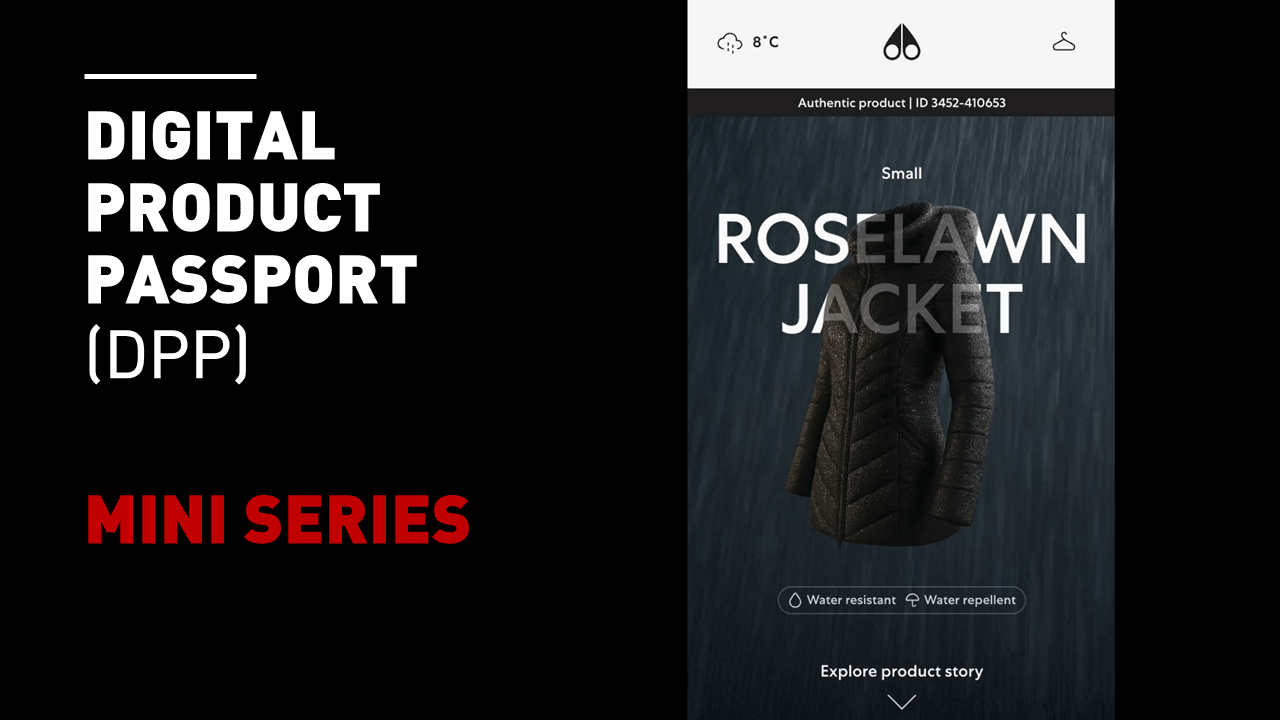
The Complete DPP Series
👉 Part 1: Where to place the Digital Product Passport on your product
👉 Part 2: NFC or QR – how to connect your product to the DPP
👉 Part 3: From scan to story – creating the digital product experience
👉 Part 4: Where the data comes from – the role of supply chain transparency
TRUSTED BY


