There's more behind a successful names & numbers programme than a print on a shirt
When fans buy a new football shirt, they see a player name and a number. Nothing more.
They don't see the design reviews, approval processes, stock planning or in-season replenishments. They don't see the last-minute transfers, the pressure on the club shop during a launch weekend, or the discussions around whether a numbering system will actually perform on a new shirt fabric.
And that's exactly how it should be.
Because the best names & numbers programmes are usually the ones nobody notices. They simply work.
For more than 20 years, we have supported the adidas Names & Numbers Programme for national teams. Together with adidas, we have helped build a system that needs to perform on some of the biggest stages in world football — from European Championships and FIFA World Cups to retail programmes across multiple markets.
Of course, national team programmes and club programmes differ in size and complexity. However, many of the underlying challenges are surprisingly similar.
Football clubs still need to develop designs, comply with regulations, manage availability, support retail operations and respond quickly when circumstances change.
That's why it's worth taking a look behind the scenes.
Here are seven lessons we've learned from more than two decades of supporting the adidas Names & Numbers Programme — lessons that can help professional football clubs as well.
#1. Good programmes start long before the first match
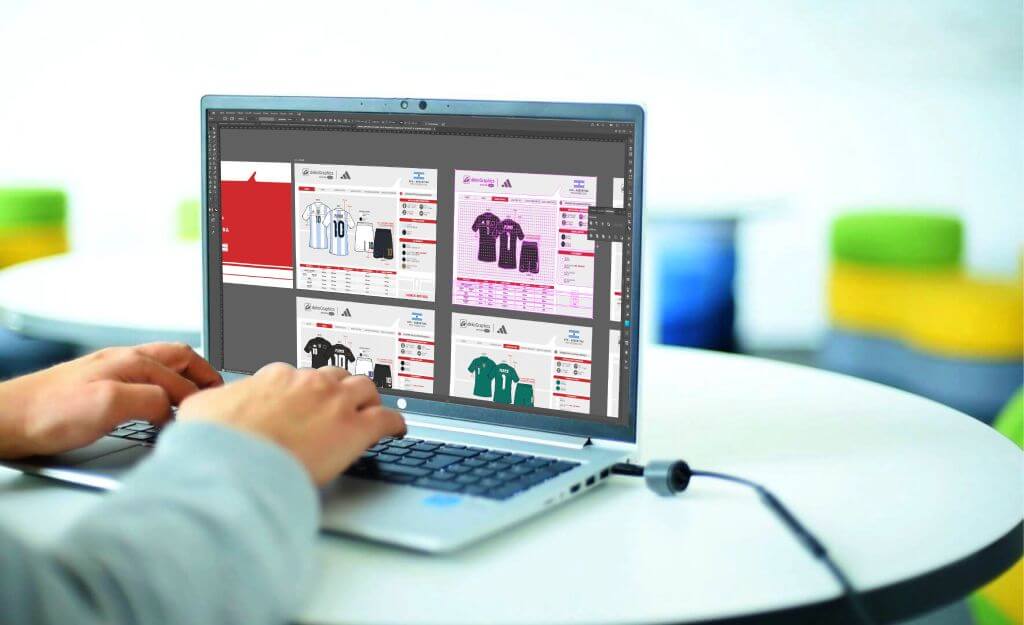
By the time a new shirt is unveiled, most of the work should already be done.
Football clubs invest significant time into shirt design, sponsor integration and merchandising plans. Names and numbers, however, are often addressed later in the process. That's where many of the first challenges begin.
A numbering system doesn't just need to look good. It needs to reflect the club's identity, work across different shirt colours, be technically feasible to produce and comply with league regulations.
When it comes to custom number fonts, the real work often starts long before production begins. Which design elements reflect the club's heritage? How much creativity is appropriate? Which details will still work when applied to an actual shirt?
This can include:
- Developing custom number fonts
- Creating variations for home, away and special edition shirts
- Colour matching on original fabrics
- Technical feasibility checks
- Producing initial samples and visualisations
The earlier the right decisions are made, the smoother the rest of the programme becomes.
👉 If you'd like to explore the creative possibilities in more detail, take a look at our guide to designing names and numbers.
#2. Creativity and regulations need to work together
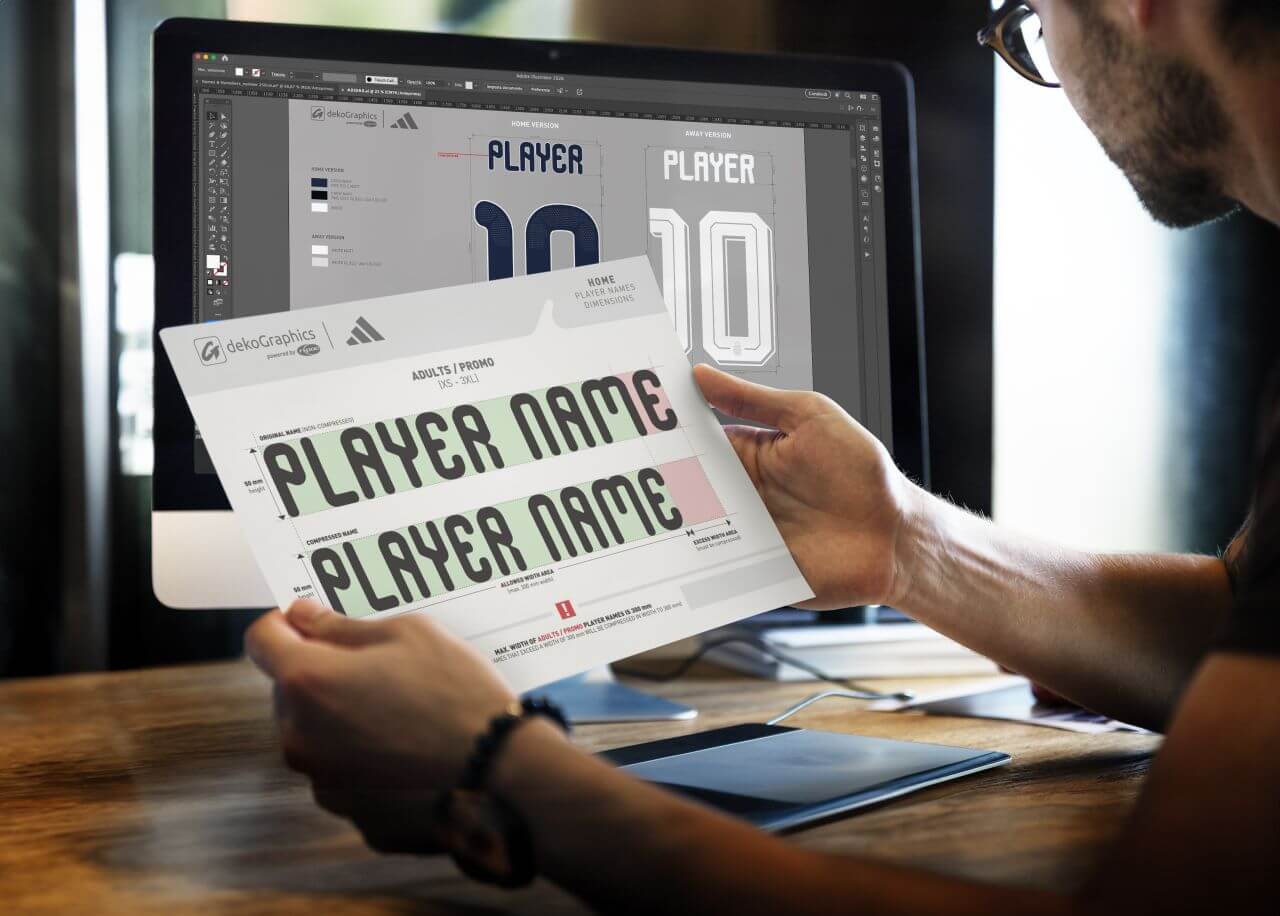
Every club has experienced it.
A design looks fantastic on screen. Then the approval process begins and the first questions appear.
- Are the numbers large enough?
- Is the contrast sufficient?
- Are all design elements actually permitted?
The challenge is rarely understanding the rules. The challenge is finding ways to create something distinctive without creating problems later in the process.
Our experience shows that some of the most interesting solutions are created within the existing regulations. Perforations, segmented constructions, matt-gloss effects and other intelligent design features can add character without compromising readability.
This often saves valuable time and avoids multiple rounds of revisions with leagues, federations and kit suppliers.
👉 In our article about FIFA, UEFA and league regulations, we explain where clubs still have room for creativity.
#3. The details determine the quality
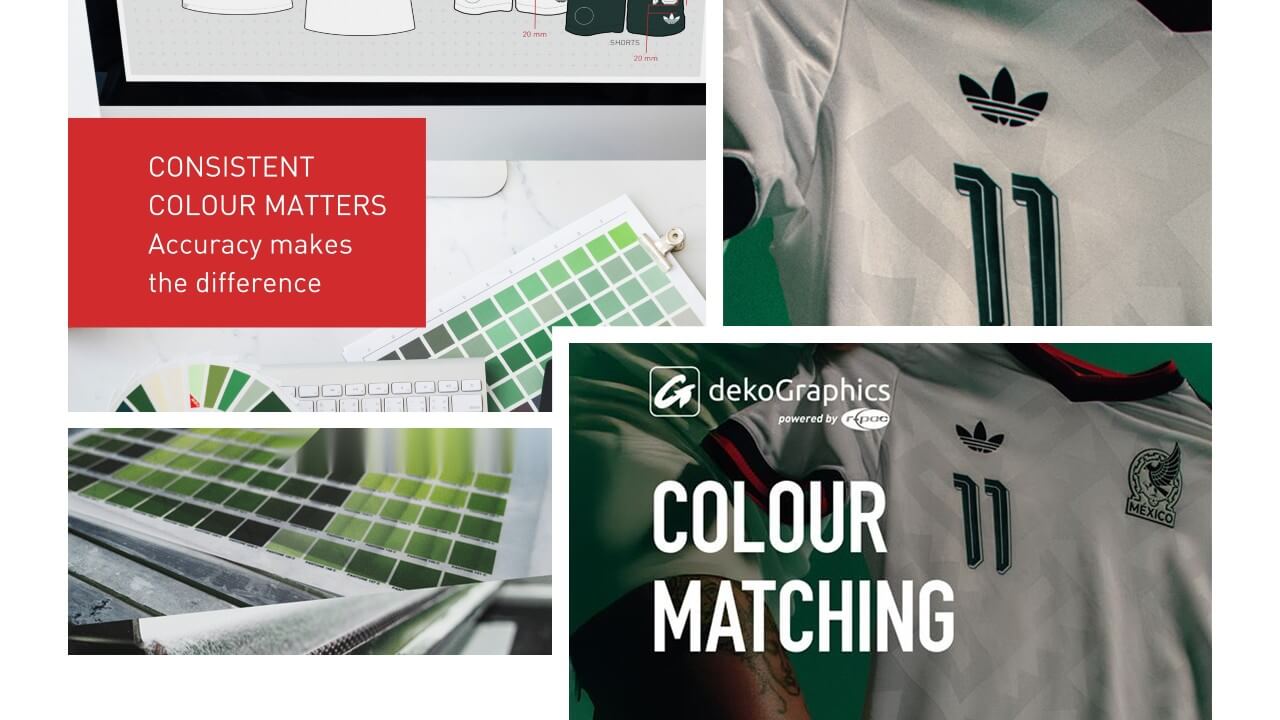
What works perfectly on one shirt doesn't automatically work on another.
We see this regularly.
Colours behave differently, fabrics react differently and certain materials can even cause dye migration.
During this phase we talk about:
- Colour matching on original fabrics
- Material testing
- Application testing
- Wash testing
- Selecting the right transfer technology
- Evaluating different fabric constructions
Most of these steps remain invisible to the fan. That's exactly the point.
Because when a supporter still enjoys wearing their shirt after the twentieth wash, a lot of things have gone right behind the scenes.
#4. Availability only becomes important when it's missing

Few things create more pressure during a season than a lack of availability.
A new signing arrives. A young academy player breaks into the first team. Or a striker suddenly becomes the club's top scorer.
Overnight, demand for certain shirts can increase dramatically.
The real challenge often starts long before personalisation takes place.
Teams need to ensure that all relevant components are available:
- Names and numbers
- Sponsor logos
- League badges
- Competition patches
- Blank garments
If just one element is missing, the entire process can slow down.
That's why many clubs choose to store names, numbers, logos and sponsor badges with their embellishment partner. Not because warehousing is exciting, but because it gives merchandising teams the flexibility they need when circumstances change.
And when something unexpected happens, every hour matters.
👉 We explain the benefits of storing names, numbers and logos in more detail in this article.
#5. Fans expect immediate personalisation
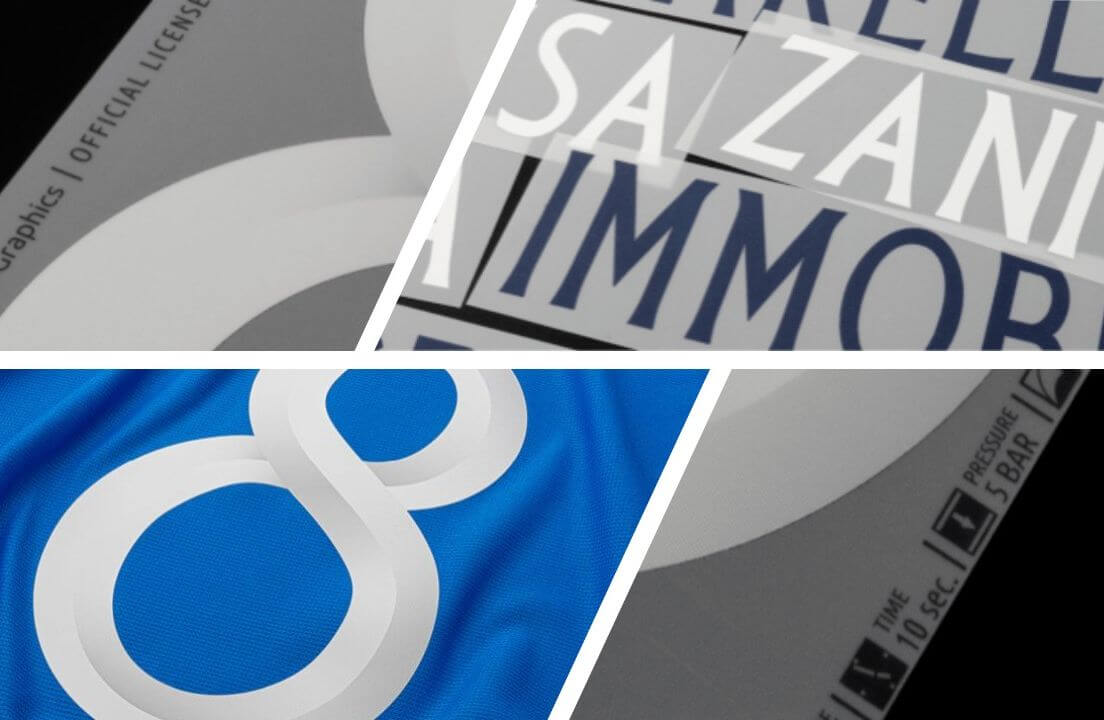
Fans want to leave the club shop with it on matchday or receive it shortly after placing an order online.
That creates new challenges for merchandising and retail teams, particularly during shirt launches, player signings and limited-edition releases.
The question is, which system fits their operation.
Depending on the club, that could mean:
- Modular names and numbers systems
- Traditional complete sheets
- Plotter-based solutions
- Loan heat presses for events
- Staff training
- Technical support for stadium activations
There is no universal solution.
The best solution is the one that fits the club's existing processes.
#6. Brand protection doesn't stop at the club crest

When people talk about counterfeiting, they usually think about fake shirts.
But official names and numbers are copied regularly as well.
For clubs, this creates more than a financial problem. It can also damage brand perception, particularly when counterfeit products fail to meet the club's quality standards.
That's why many clubs integrate security features directly into their numbering systems.
These can include:
- Embedded club logos
- Custom patterns
- Gloss effects
- Special pigments
- Hidden authentication features
The goal isn't necessarily to make counterfeiting impossible.
The goal is to make genuine products clearly identifiable and protect the club's brand.
👉 In our dedicated article, we explore how clubs can use anti-counterfeit solutions within their names & numbers programmes.
#7. The best programmes are built on strong processes

If there's one lesson we've learned from more than 20 years supporting adidas National Teams, it's this:
The biggest challenges rarely occur during production itself.
They happen at the points where different processes meet.
- Between design and approvals.
- Between stock management and retail.
- Between season planning and reality.
- Or between a last-minute transfer and a sudden spike in demand from supporters.
These are the moments that determine whether a names & numbers programme runs smoothly or creates unnecessary work.
That's why successful clubs don't view names and numbers as a standalone product. They see them as part of a larger system that connects design, development, production, warehousing, retail and matchday operations.
Depending on the project, this could mean:
- Custom number font development
- League and federation approvals
- Colour and material testing
- Storage of names, numbers and logos
- Replenishment planning
- Club shop equipment and heat presses
- Training for merchandising and retail teams
- Coordination between clubs, kit suppliers and other partners
In short: The goal is to make life easier for the people responsible for the programme.
- The merchandisers.
- The kit managers.
- The retail teams.
- The product managers.
So they can focus on everything else that demands their attention during a busy season.

Conclusion: Successful names & numbers programmes don't happen by accident
Most clubs understand the challenges surrounding names and numbers very well.
The question isn't whether they understand the process.
The question is how much time and how many internal resources they can dedicate to it.
That's where the right partner can make a real difference.
Not because they provide a better product, but because they simplify processes, reduce risk and help ensure the programme performs reliably throughout the season.
At the end of the day, a names & numbers programme should do exactly what fans expect it to do:
Simply work.
If you're currently reviewing your names & numbers programme, looking to improve your processes or searching for a partner who can support you with design, warehousing, retail solutions or implementation, we'd be happy to talk.
For more than 20 years, we've supported national teams and football clubs with exactly these challenges — and we're always happy to share what we've learned.
👉 Let's talk about your names & numbers programme.


