Why product information matters more and more for football clubs – and what the Digital Product Passport has to do with it.
You probably know every detail of your club's new home jersey.
The design. The colours. The club crest. The sponsors.
But do you also know where the different components were made? Which materials were used? Or which companies were involved in production?
These are pretty normal questions.
But finding the answers isn't always that easy.
And this could become an increasingly important challenge for football clubs in the coming years.
One jersey. Many components. Many suppliers.
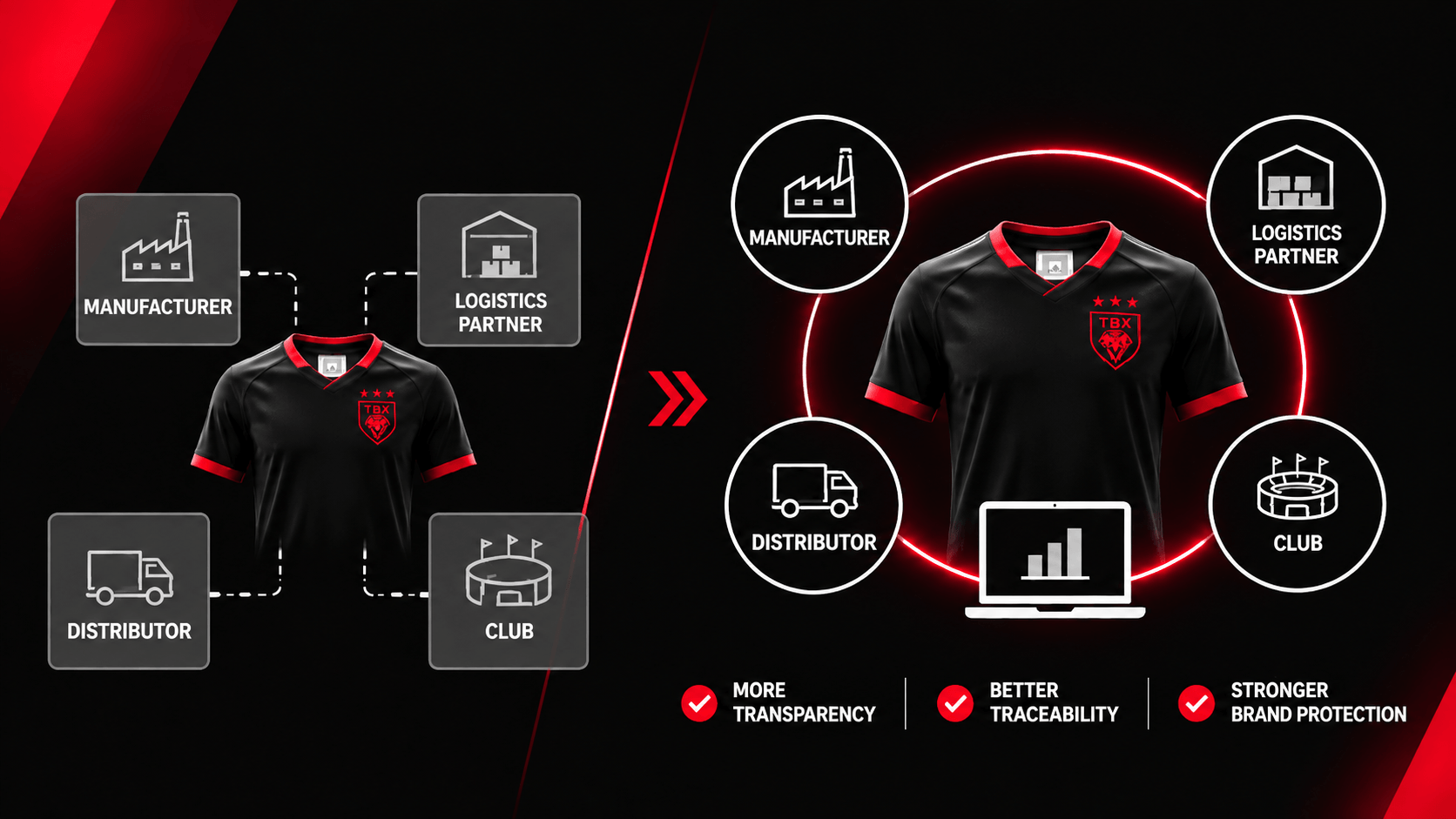
A football jersey is made of more than just fabric.
There is the fabric itself, the club crest, sponsor logos, names and numbers, and different labels.
And not everything comes from the same manufacturer.
The fabric supplier knows the material composition. The garment manufacturer has the production information. Other suppliers know which materials and processes were used for the logos or labels.
Everyone knows their part.
But who has the complete picture?
For clubs, this isn't always easy. After all, they often work with kit suppliers, manufacturers and many other partners.
As long as nobody asks for this information, it might not seem like a problem.
But what happens when it's suddenly needed?
The information is often there. But where?
Imagine a club wants to provide more transparency about its new jersey collection.
It wants to know which materials were used, where certain components were produced and what documentation is available.
So the search begins.
An email to the kit supplier. A question for the manufacturer. Maybe another request to a different supplier.
The answers come from different systems, documents and databases.
Some information is stored in PDFs. Other details are in Excel files or in the systems of individual companies.
And sometimes, certain information is still missing.
All of this takes time.
Especially when the same information has to be collected again and again for different products or collections.
So the challenge isn't just collecting product information. It's also about organising it and making it available when needed.
And now comes the Digital Product Passport.
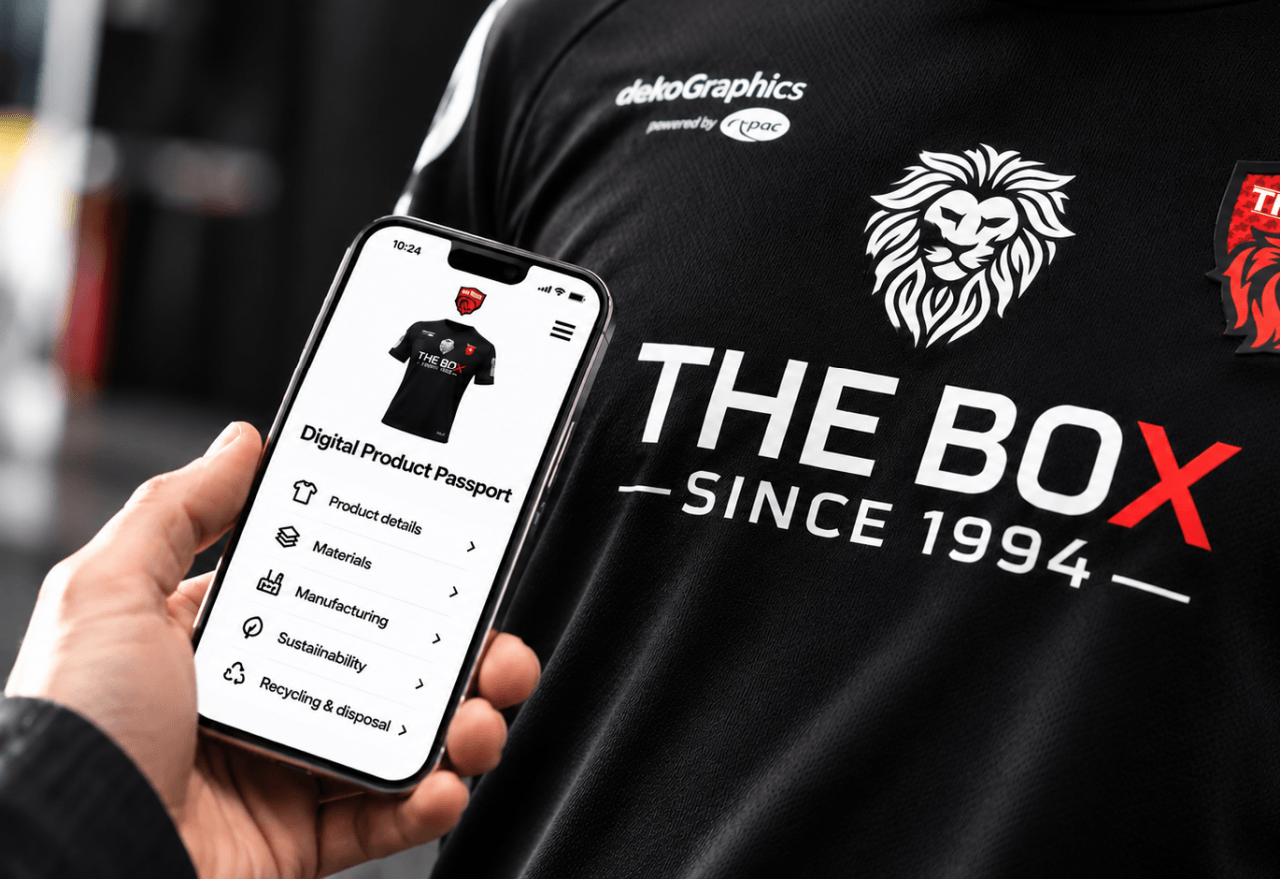
You may have already heard about the Digital Product Passport (DPP).
With its new Ecodesign for Sustainable Products Regulation (ESPR), the European Union has created the framework for making certain product information digitally available for different product groups in the future.
Textiles are also an important part of this.
The idea is simple:
Important information about a product should be easier to access.
This could include details about materials, origin, repairability and other product characteristics.
Exactly which information will become mandatory for textiles, and when the requirements will apply, will be defined through the relevant product-specific rules.
For football clubs, this means one thing:
Because a Digital Product Passport is not simply another QR code on a label.
The real question is how product information is collected, managed and made accessible.
An NFC chip or QR code alone doesn't create a Digital Product Passport.
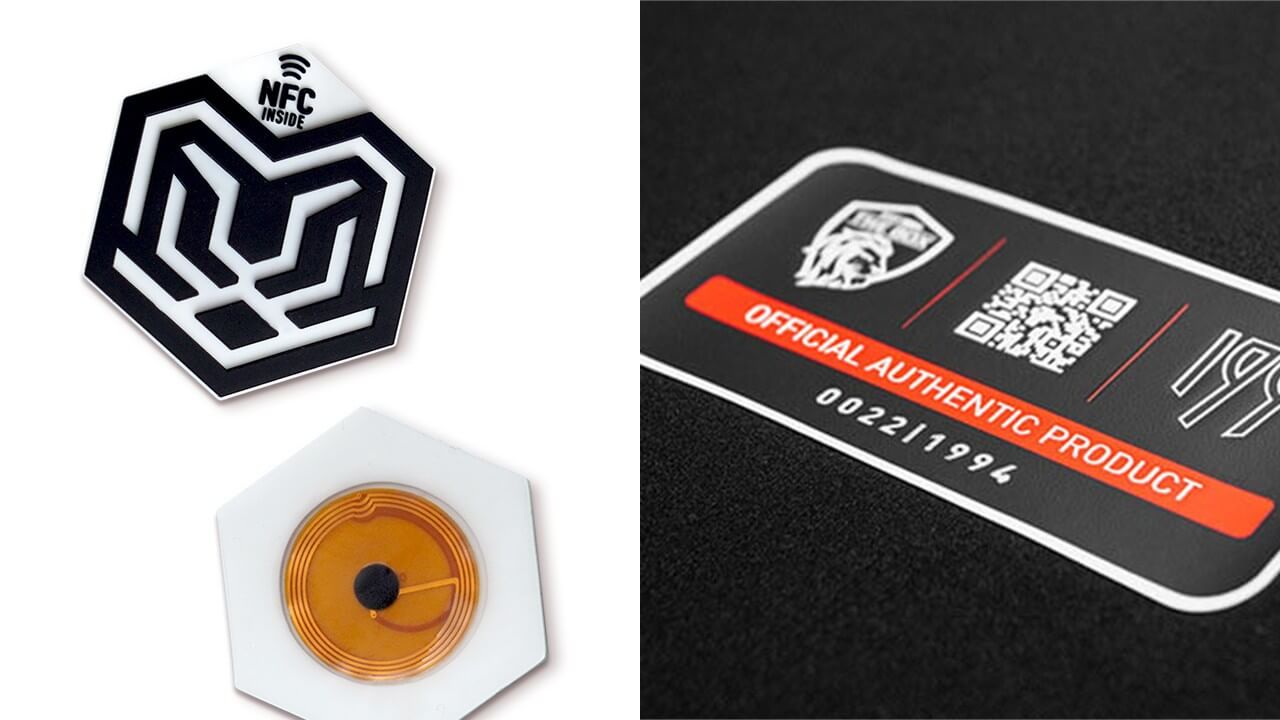
Adding a QR code to a jersey is relatively easy.
But what happens when someone scans it?
Does it simply open the club's website?
Or does it actually provide information about the product?
That's the important difference.
A digital Product ID can help connect a physical product with the relevant digital information.
For example, this can be done using a QR code or a suitable NFC solution.
But the real work happens behind the scenes.
After all, a fan needs different information than a manufacturer, a business partner or a regulatory authority.
Technology provides access. What really matters is the information behind it.
Transparency isn't just about regulations.
Of course, future legal requirements will play an important role.
But better product transparency can also be useful beyond regulations.
For example, a club could give its fans additional information about the materials, production or care of its merchandise products.
Better organised product data can also help internally.
And when developing new collections, existing information could be used again instead of starting from scratch.
This doesn't mean that all information suddenly needs to be public.
Some details are interesting for fans. Others are only relevant for certain business partners or internal processes.
What matters is making the right information available to the right people.
How can dekoGraphics and r-pac help?
At dekoGraphics, we've been working with football jerseys, club crests, names, numbers and labels for decades.
We know these products and understand how many different materials and partners can be involved in making them.
Through our partnership with r-pac, we can now also offer solutions around digital Product IDs, product information and connected systems.
This allows physical products to be connected with digital information.
Together with the club and its existing partners, we can explore which data is needed and how it can be made available.
Because our goal isn't to replace existing suppliers or systems.
We want to help connect existing information and create new opportunities for clubs.
And there's no need to start with the entire merchandise collection.
Maybe the new home jersey is already a good first step.

What do you know about your merchandise products today?
The Digital Product Passport will change the requirements for product information.
But even without future regulations, it's worth asking one simple question:
What information do we actually have about our products – and how quickly can we access it?
Because a jersey is more than just fabric, logos and labels.
Behind it are materials, companies, production processes and a lot of information.
And that information could become much more valuable in the future.
With our interactive CONNECTED MERCHANDISE EXPLORER, you can discover what digital Product IDs could make possible for your club – from better product transparency and simpler processes to new digital fan experiences.
👉 EXPLORE CONNECTED MERCHANDISE
TRUSTED BY


