
WHY THE CLUB CREST ISN'T ALWAYS THE MOST IMPORTANT ELEMENT ON A JERSEY
Ask football fans which element on a jersey matters most, and you'll probably hear the same answer every time: The club crest. And honestly? We completely understand why. The crest represents the club's identity. It connects generations of supporters, brings back memories of special moments, and is often one of the first things people notice when they look at a jersey. At the same time, we've learned something interesting from working on countless jersey projects over the years. A memorable jersey rarely becomes memorable because of the crest alone. More often, it's the smaller details that fans talk about later, [...]
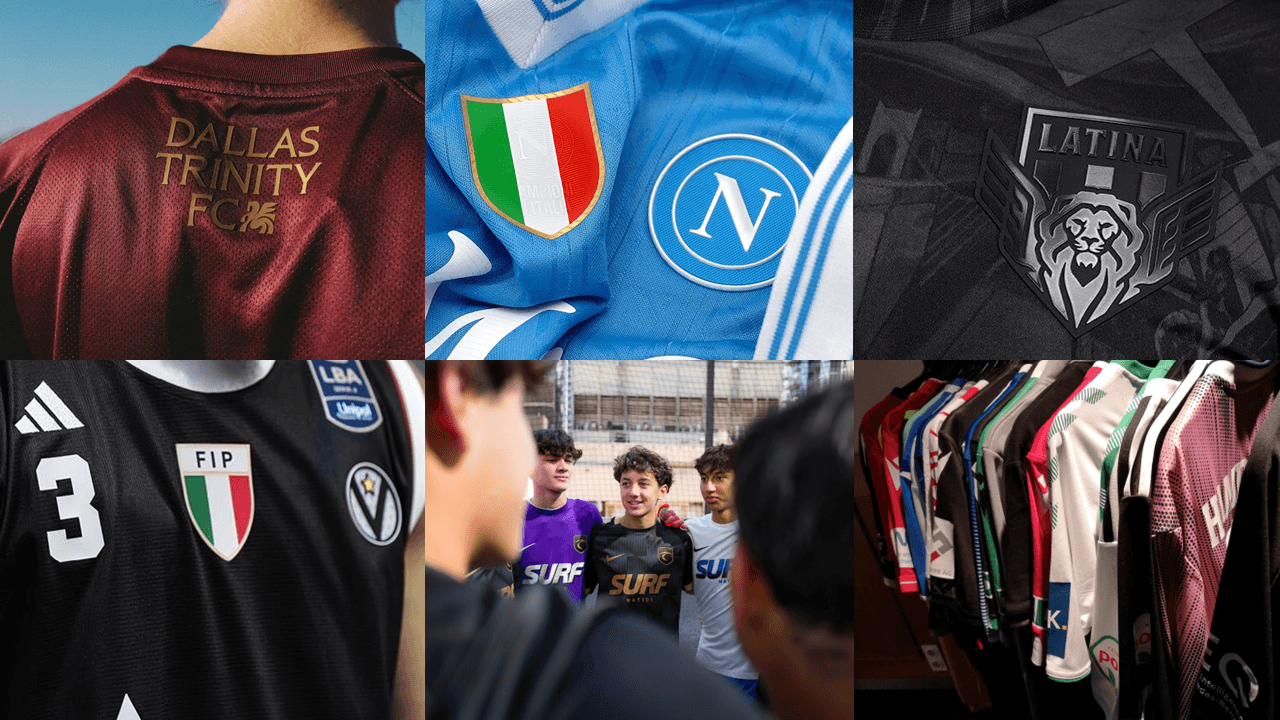
HOW WE SUPPORT MULTIPLE CLUBS BEFORE THE SEASON START – AND WHY GOOD PROCESSES MATTER FOR EVERY CLUB
A new player is signed just before the kit launch. A sponsor updates its logo. The first fan shop orders are already coming in. And the start of the season is getting closer every day. This is the reality many clubs face in the weeks leading up to a new season. From the outside, it often looks like everything revolves around shirts, names and numbers, or making sure products are delivered on time. In reality, preparing for a season launch is far more complex. That is why we are often asked: "How do you manage to prepare multiple clubs for [...]

WHY REFLECTIVE LOGOS ARE NOT JUST FOR RUNNING PRODUCTS
When people think of reflective logos, they usually think of running apparel or safety clothing. And that makes sense. After all, reflective materials were originally developed for exactly those kinds of applications. Their purpose was to improve visibility in low-light conditions or at night. In recent years, however, reflective effects have started appearing in many other places. On special edition jerseys On fanwear On hoodies On jackets On limited collections Not because these products need to be more visible at night. But because reflective elements can also be used as a design feature. And that is exactly what makes them [...]
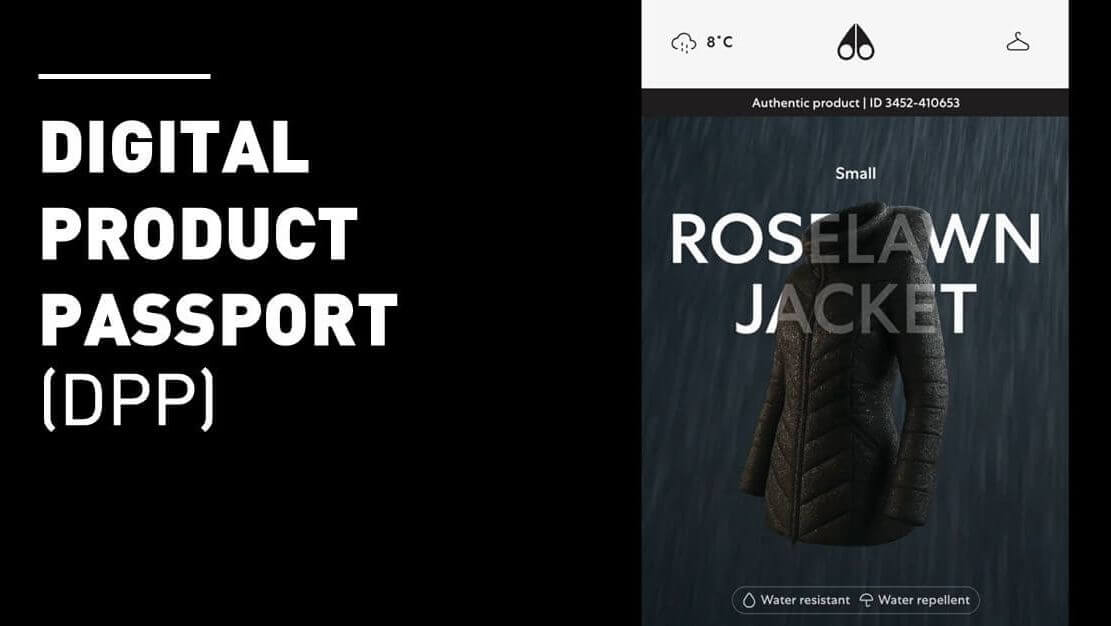
DIGITAL PRODUCT PASSPORT: WHAT THE OFFICIAL EU FAQ REALLY MEANS FOR TEXTILE BRANDS (UPDATE)
The Digital Product Passport is becoming more concrete. But what does that actually mean for textile brands? Over the past year, there has been no shortage of presentations, webinars and LinkedIn posts about the Digital Product Passport (DPP). The problem? Much of the information has been based on draft legislation, individual regulations or personal interpretations. If you wanted a clear overview, you often had to work your way through technical documents and legal language. The European Commission has now published its first official Digital Product Passport FAQ. For the first time, it answers many of the questions brands are asking [...]
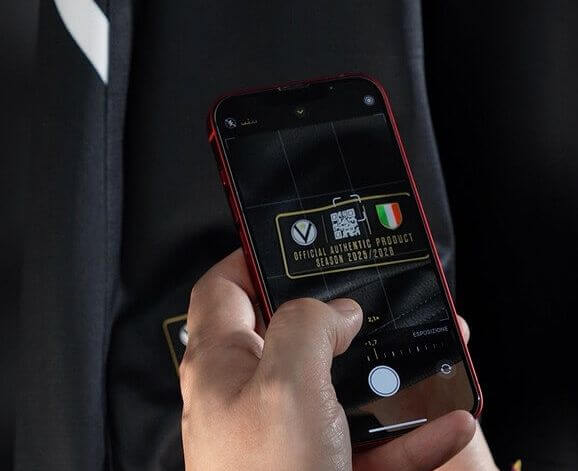
FROM PRODUCT TO SYSTEM: HOW FOOTBALL MERCHANDISING IS FUNDAMENTALLY CHANGING
A football shirt is designed, produced, embellished and eventually sold to a fan. For many years, that was the entire story. And to be fair, it worked perfectly well. The purpose of a merchandise product was clear: represent the club, support the brand and generate revenue. Today, however, the landscape is beginning to change. Because the future of merchandising no longer lies in the product alone. Increasingly, it lies in the system behind it. The product used to be the end point Traditionally, merchandise products had a very clear role within a club's commercial strategy. They were: sales items brand [...]

IT'S NOT JUST THE DESIGN: HOW EMBELLISHMENT INFLUENCES THE IMPACT OF A LOGO
A logo can attract attention in many different ways. Sometimes it's the design itself. Sometimes it's the colours. And sometimes it's the embellishment technique behind it. Over the past few years, the possibilities have expanded significantly. Modern heat transfer technologies can do far more than simply display a brand logo. They can create visual effects, add texture, react to light, or even change the way a product is perceived. In this article, we'll take a closer look at some of these possibilities and explore how different heat transfer techniques can influence the impact of a logo. Not every logo needs [...]


