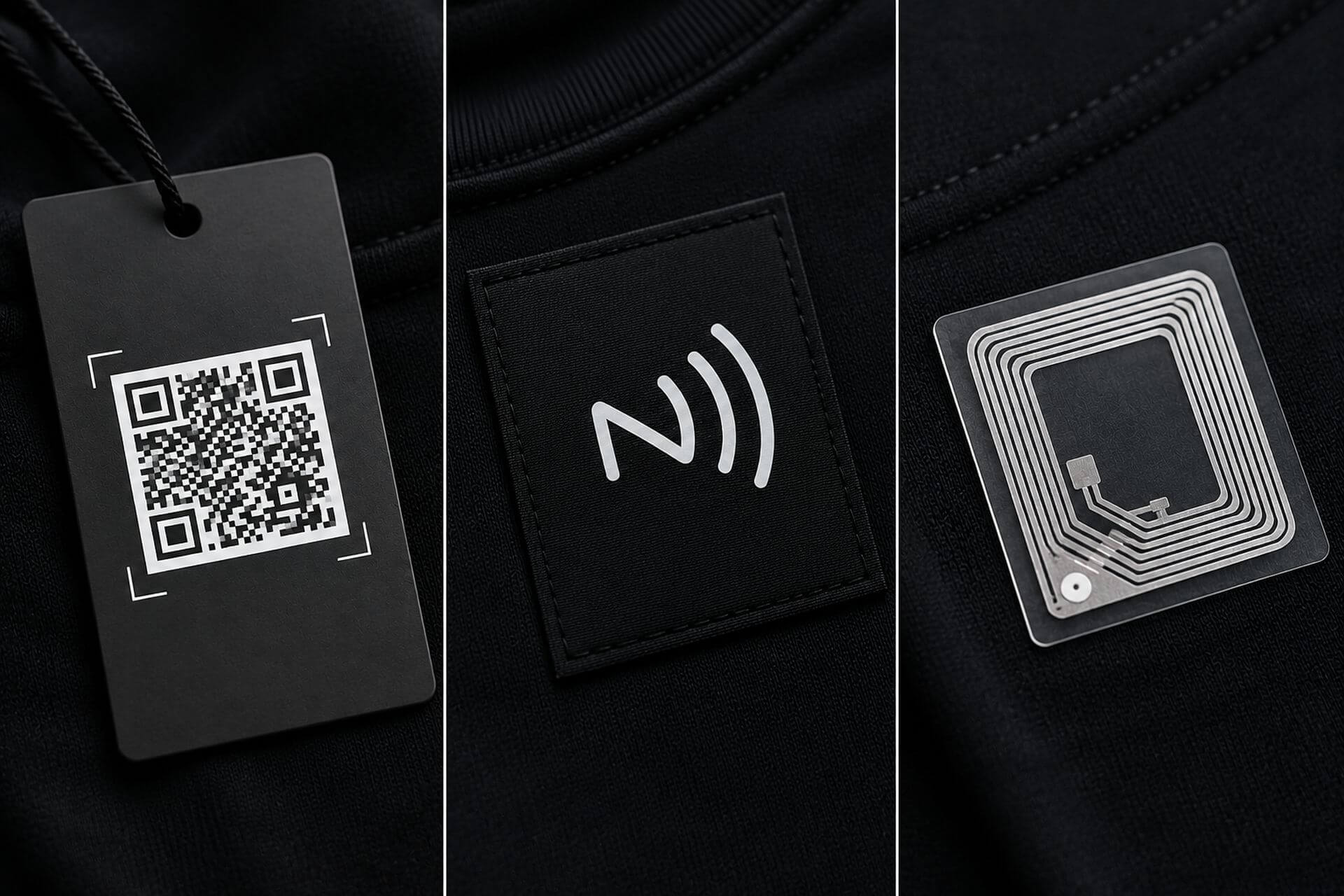
QR CODE VS NFC VS RFID: WHICH TECHNOLOGY IS RIGHT FOR YOUR TEXTILES?
Many brands already know that products are becoming increasingly digital. The Digital Product Passport (DPP) is on the horizon. Consumers expect more transparency. Supply chains are becoming more connected. And suddenly, terms like QR Codes , NFC and RFID seem to be everywhere. The challenge? These technologies are often discussed as if they were interchangeable, even though they solve very different problems. As a result, many companies start looking at technologies before defining the actual challenge they want to solve. In this article, you'll learn: how QR Codes, NFC and RFID work where each technology excels the advantages and limitations [...]
WHAT DOES A TEXTILE EMBELLISHMENT PARTNER ACTUALLY DO ALL DAY? A BEHIND-THE-SCENES LOOK AT A JERSEY LAUNCH
The season begins. The new jersey has arrived. Names and numbers are available. Teamwear has been delivered. Products are ready in the club shop. What many people don't see is that between the first idea and the finished product, there are often months of planning, development, testing and coordination. While clubs focus on jersey launches, sponsors, forecasts, sales figures and preparations for the next season, a wide range of activities are taking place in parallel at the textile embellishment partner. That's why we'd like to switch perspectives for a moment. Because a professional textile embellishment partner is responsible for far [...]
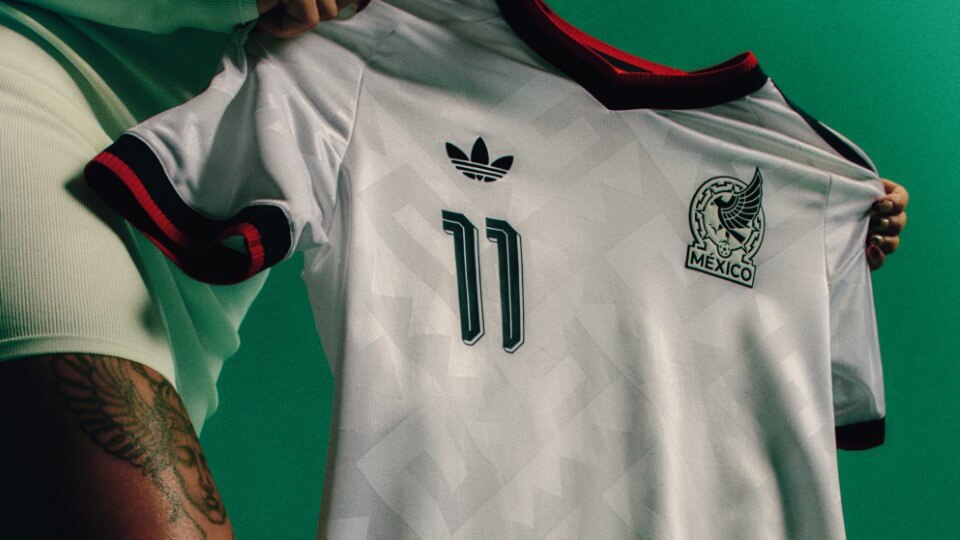
WHAT PROFESSIONAL FOOTBALL CLUBS CAN LEARN FROM THE ADIDAS NAMES & NUMBERS PROGRAMME
There's more behind a successful names & numbers programme than a print on a shirt When fans buy a new football shirt, they see a player name and a number. Nothing more. They don't see the design reviews, approval processes, stock planning or in-season replenishments. They don't see the last-minute transfers, the pressure on the club shop during a launch weekend, or the discussions around whether a numbering system will actually perform on a new shirt fabric. And that's exactly how it should be. Because the best names & numbers programmes are usually the ones nobody notices. They simply work. [...]
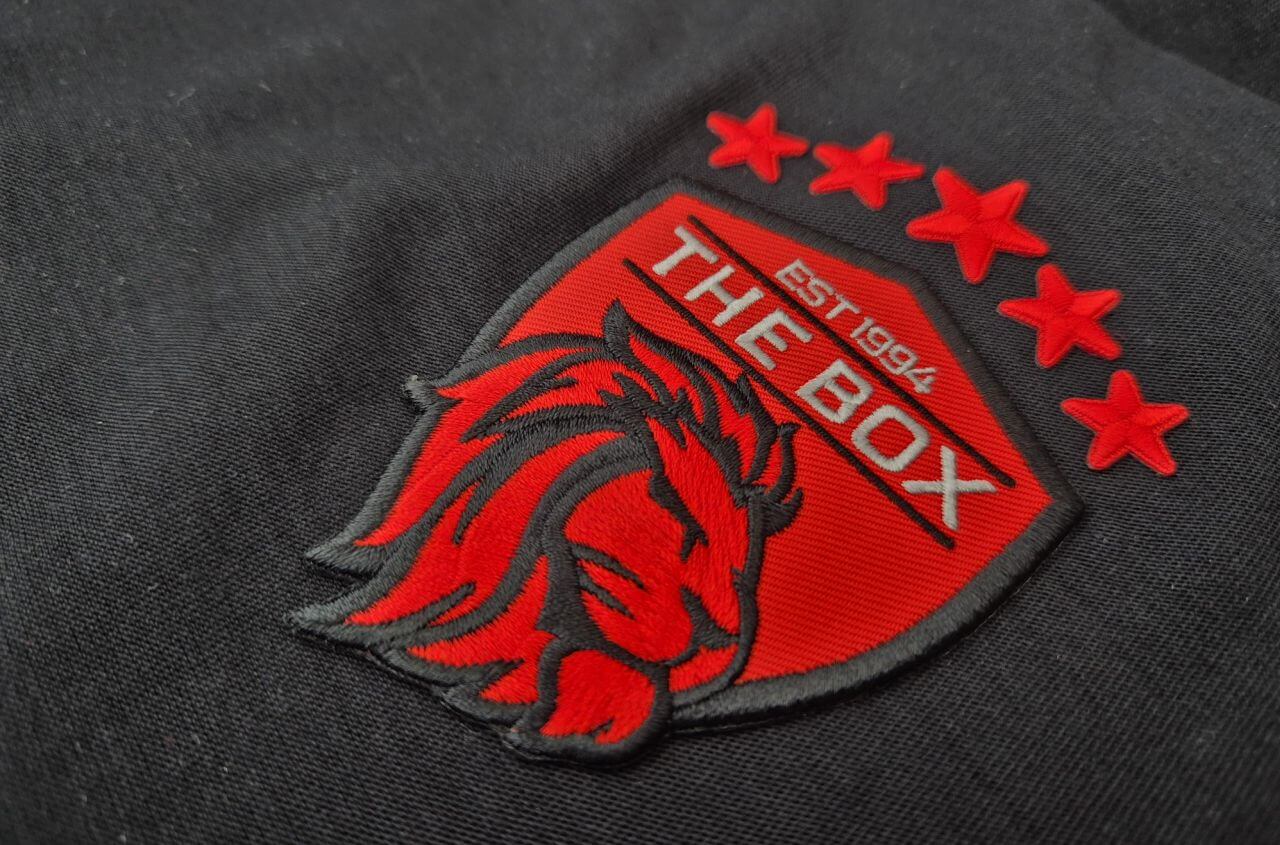
EMBROIDERY HEAT TRANSFERS WITH FREESTANDING ELEMENTS? NO PROBLEM
Individual stars. Freestanding letters. Separate design elements. These kinds of details have become a natural part of modern embroidery-style heat transfers — whether on football shirts, fashion pieces or merchandise products. But how do these elements actually stay perfectly in place during application? For designs like these, we work with special positioning templates that hold all elements together during the application process and are removed together with the carrier sheet afterwards. In this article, we’ll give you a behind-the-scenes look at how these solutions are created and how standalone elements are applied with modern embroidery-style heat transfers. How standalone elements [...]

LIMITED – AND THEN? HOW CLUBS CAN GET MORE OUT OF SPECIAL EDITION JERSEYS
A special edition jersey can be far more than just a quick sell-out. In practice, long-term fan value and brand value are created when the exclusivity is visible, emotionally engaging, and connected to additional meaning — not just artificial scarcity. Because yes, a sold-out jersey creates attention. But the more interesting question usually starts afterwards: Will this jersey still matter weeks or months later? Or was it simply the next fast drop? A lot of clubs experience exactly this moment today. The launch works. The hype is there. The first sizes sell out within hours. Internally, everyone celebrates. And honestly, [...]
WHY MANY CLUBS KEEP THEIR LOGOS, NAMES & NUMBERS STORED WITH US
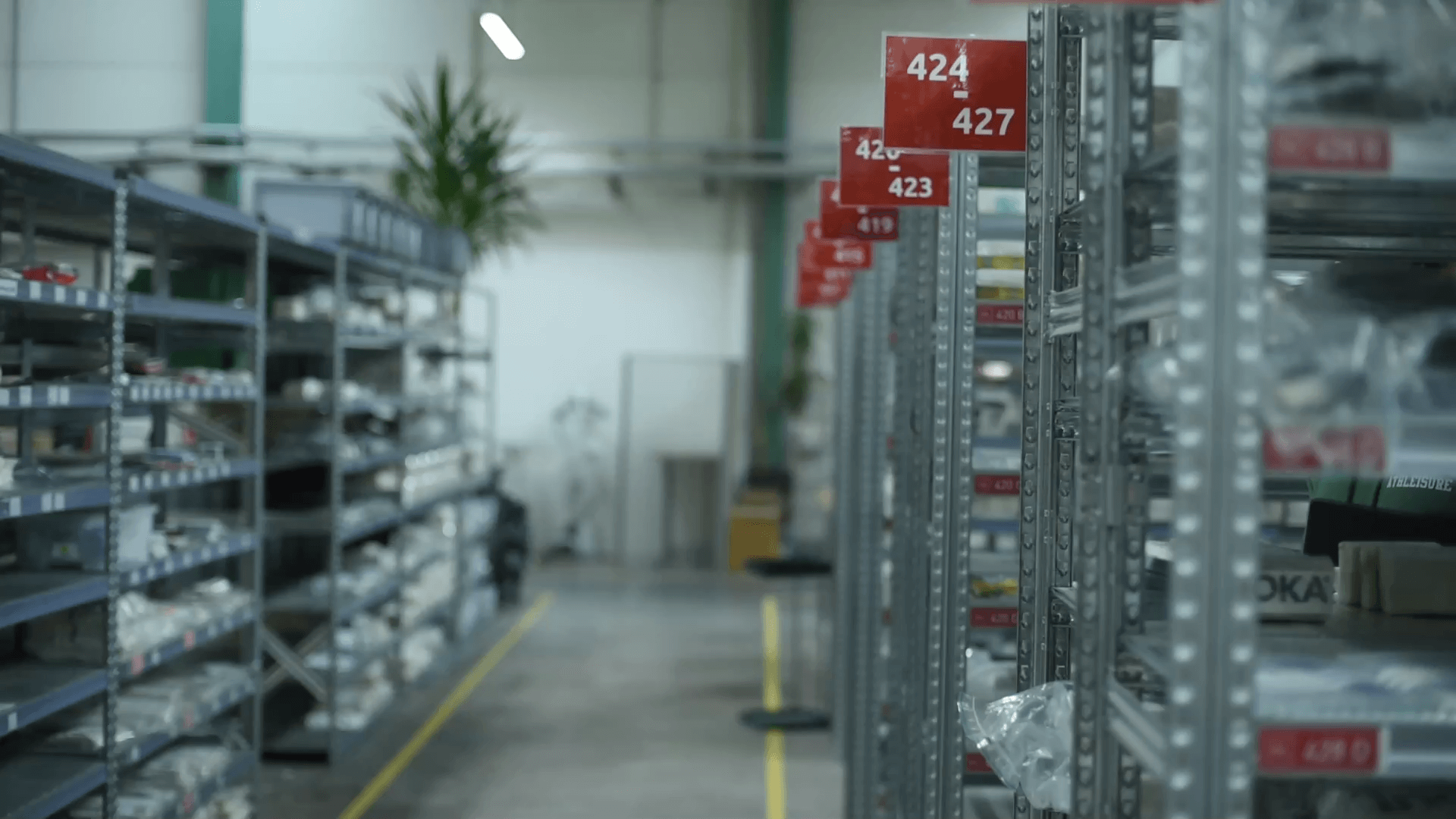
Sometimes a season develops faster than expected. Shirt sales increase. Additional teamwear is needed. Extra kits have to be prepared for international competitions. Or the fan shop suddenly needs faster restocking than originally planned. These are good problems to have. But they often create pressure very quickly. Are there still enough numbers available? Do we still have the sponsor logos? Is stock running low? Or does everything need to be produced again first? This is exactly where delays often begin during the season. Not during the actual application. But before it. Many delays happen before application even starts When additional [...]


