The season begins.
The new jersey has arrived. Names and numbers are available. Teamwear has been delivered. Products are ready in the club shop.
What many people don't see is that between the first idea and the finished product, there are often months of planning, development, testing and coordination.
While clubs focus on jersey launches, sponsors, forecasts, sales figures and preparations for the next season, a wide range of activities are taking place in parallel at the textile embellishment partner.
That's why we'd like to switch perspectives for a moment.
Because a professional textile embellishment partner is responsible for far more than simply applying logos, names and numbers.
In the following article, we'll walk through how a well-prepared project between a football club and its embellishment partner typically unfolds — from the first planning discussions through to in-season support.
1. Forecast & planning
In this phase, the foundations for the upcoming season are established.
The better the preparation, the easier it becomes to manage future production runs, launches and repeat orders.
Typical responsibilities on the club side
- Estimate seasonal demand
- Define upcoming projects and collections
- Establish internal responsibilities
- Outline launch schedules
- Set priorities for the season ahead
Typical responsibilities on the embellishment partner side
- Analyse forecasts
- Reserve production capacity
- Prepare project structures
- Set up product programmes and articles
- Coordinate availability and timelines
- Begin logistical planning
Very little is visible at this stage.
However, many of the decisions made here will ultimately determine how flexible and manageable the programme remains throughout the season.
2. Design & development

As soon as the first concepts and designs are created, the real development work begins.
This phase is about far more than simply converting an existing design into a production file. Many professional embellishment partners become involved early in the creative process, supporting clubs with names and numbers, special edition jerseys, anniversary kits and complete collection concepts.
At the same time, technical preparation begins to ensure that creative ideas can later be produced reliably and consistently.
Typical responsibilities on the club side
- Define goals and requirements for the new season
- Review jersey and collection concepts
- Provide club identity, storytelling and sponsor requirements
- Give feedback on design proposals
- Coordinate approvals with kit suppliers, leagues and partners
Typical responsibilities on the embellishment partner side
- Develop creative concepts and production solutions
- Design custom names and numbers
- Translate designs into production-ready artwork
- Build production data
- Prepare placements and product variations
- Create visualisations and sample concepts
For larger clubs, the number of variations often grows significantly.
Different teams, staff apparel, sponsor requirements and competition-specific versions can quickly transform a single concept into a complex programme.
At the same time, creative ambitions, technical feasibility and production requirements must all be aligned. The earlier these topics are addressed, the smoother the implementation process becomes.
3. Sampling & approvals
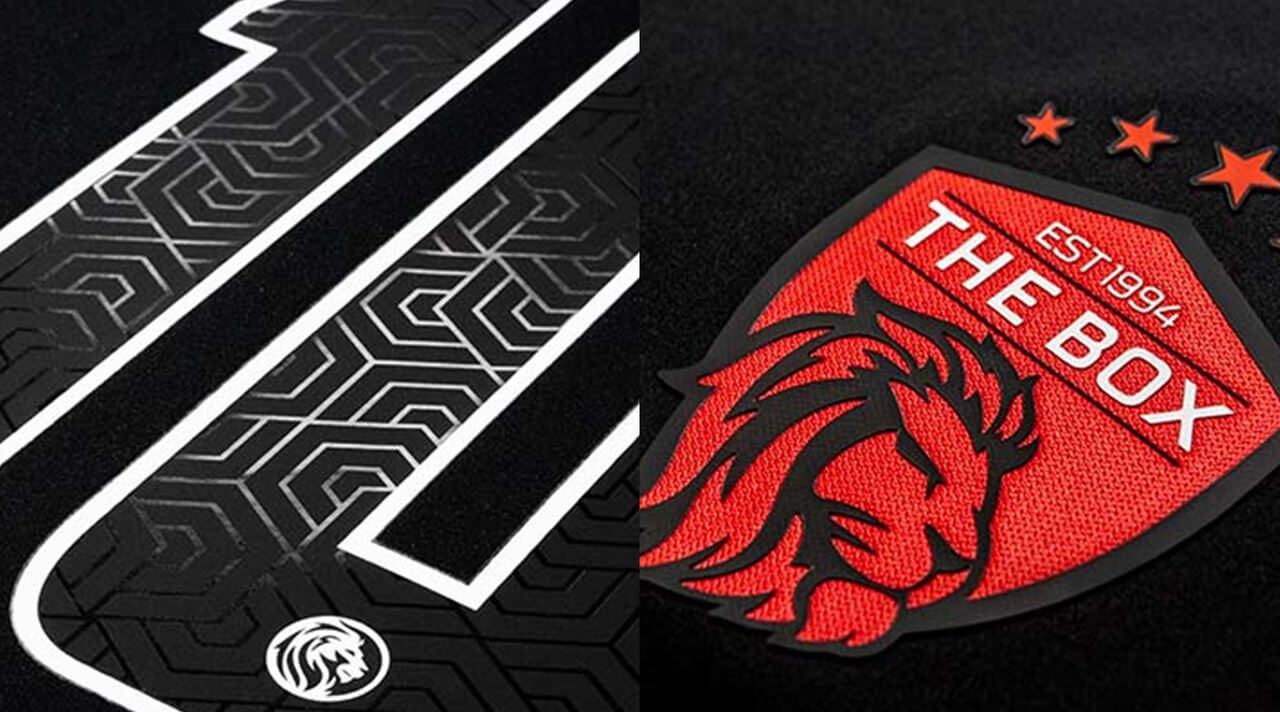
For many clubs, the first sample is the moment when a project truly becomes tangible.
For the first time, the final product can be seen on an actual garment rather than on a screen.
Typical responsibilities on the club side
- Review samples
- Approve designs
- Check placements
- Provide feedback
- Make final decisions
Typical responsibilities on the embellishment partner side
- Produce samples
- Create digital collection overviews
- Visualise placements
- Conduct application tests
- Prepare wash tests
- Document approvals
This phase is about much more than appearance.
The key question is whether the design, material and embellishment technique work together on the actual garment. For this reason, samples and tests are carried out on the original textiles whenever possible.
Many potential issues can be identified and resolved at this stage — long before full-scale production begins.
4. Production preparation
Preparing for production before the first garments arrive
Once designs have been approved, samples signed off and launch dates confirmed, preparation for production begins.
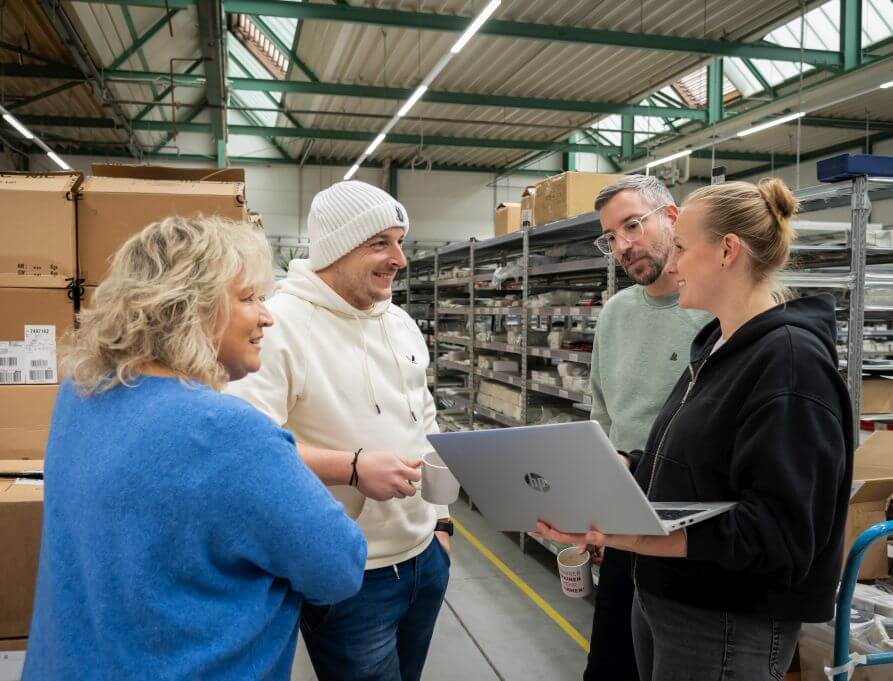
While clubs are planning marketing campaigns, creating product data and preparing for the launch, the embellishment partner is building the framework required for a smooth production process.
Typical responsibilities on the club side
- Finalise launch schedules
- Provide product information
- Prepare marketing activities
- Coordinate with retail and distribution partners
Typical responsibilities on the embellishment partner side
- Reserve production slots
- Plan material requirements
- Build ERP structures
- Prepare shipping concepts
- Define production sequences
For larger programmes, multiple products, collections and embellishment techniques often run simultaneously.
This phase is focused on ensuring that all resources, materials and processes are ready when the garments arrive.
5. Production, embellishment & distribution

Once the blank garments arrive, the stage most people associate with textile embellishment begins.
In reality, this phase involves much more than simply applying logos, names or numbers.
Typical responsibilities on the club side
- Monitor delivery schedules
- Coordinate inventory requirements
- Prepare for launch
- Communicate with retail and club shop teams
Typical responsibilities on the embellishment partner side
- Inspect incoming garments
- Sort and store products
- Apply embellishments
- Conduct quality control checks
- Label products
- Pick and pack orders
- Coordinate shipments
Depending on the project, finished products may be delivered to club shops, training facilities, central warehouses or multiple retail partners.
As a result, logistics often becomes just as important as the embellishment process itself.
6. Launch & in-season support

The work doesn't stop when the jersey launches
Many people see the jersey launch as the finish line. In reality, it is often the start of the most dynamic phase of the season.
New players join the squad. Additional names and numbers are required. Special editions are launched. Club shops need support.
Typical responsibilities on the club side
- Monitor sales performance
- Trigger repeat orders
- Plan special campaigns
- Respond to sporting developments
Typical responsibilities on the embellishment partner side
- Hold names and numbers in stock
- Organise repeat production runs
- Supply additional logos and badges
- Support plotter and heat press systems
- Provide technical assistance
- Deliver training and guidance
This is often where the preparation of the previous months proves its value.
Most challenges don't arise when everything goes according to plan. They arise when plans change.
FAQ – Common questions about working with a textile embellishment partner

When should a club involve a textile embellishment partner in a new project? Ideally as early as possible. The earlier design concepts, materials and timelines are discussed, the easier it becomes to manage approvals, sampling and production.
Does a textile embellishment partner only support production? No. Many professional partners are involved much earlier, supporting clubs with names and numbers, special editions, design concepts, visualisations and technical guidance.
Why are samples and tests carried out on original garments? Because real-world performance matters. Only the actual garment allows teams to properly assess materials, placement and embellishment performance.
What happens after the jersey launch? Often, this is when the busiest period begins. Repeat orders, player transfers, special campaigns and additional stock requirements mean that many programmes continue to be actively managed throughout the season.
What makes a good textile embellishment partner? It's not only about print quality. Planning, communication, reliability and the ability to manage complex programmes over many months are often just as important.

Conclusion: Successful jersey launches start months before launch day
When supporters see a new jersey, they see the final result.
What they don't see are the months of planning, development, testing, production preparation, logistics and in-season support that made it possible.
That is where a professional textile embellishment partner spends most of its time.
Not on a single logo. Not on a single number.
But on bringing together dozens of moving parts into one coordinated system.
And that is often the difference between a stressful project and a jersey launch that simply works.
Next season starts today
After this behind-the-scenes look, one thing becomes clear:
A successful jersey launch rarely depends on a single product.
What really matters is planning, coordination and having the right partners involved at the right time.
If you're currently preparing for the next season and would like to exchange ideas on names & numbers, jersey launches, club shop solutions or embellishment processes, we'd be happy to talk.
Let's discuss your challenges.


