A logo can attract attention in many different ways.
Sometimes it's the design itself. Sometimes it's the colours. And sometimes it's the embellishment technique behind it.
Over the past few years, the possibilities have expanded significantly. Modern heat transfer technologies can do far more than simply display a brand logo. They can create visual effects, add texture, react to light, or even change the way a product is perceived.
In this article, we'll take a closer look at some of these possibilities and explore how different heat transfer techniques can influence the impact of a logo.
Not every logo needs to stand out instantly
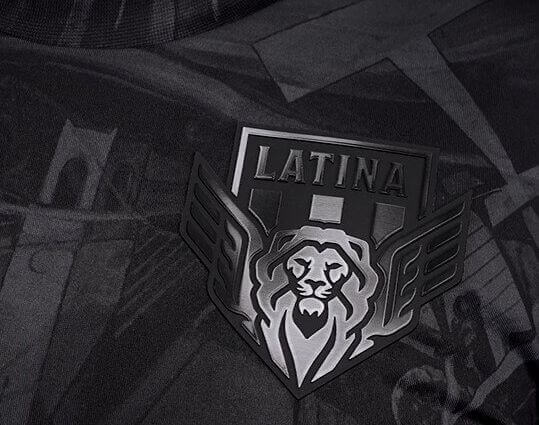
When people think about a special logo, they often think of bold colours, large graphics or eye-catching effects. Those approaches can certainly work, but they are far from the only way to give a product character.
Particularly in premium products, special edition jerseys and limited collections, small details often make the biggest difference.
Examples include:
- matte and glossy finishes within the same logo
- subtle textures
- unique materials
- tone-on-tone effects
embellishments that only become visible upon closer inspection.
These solutions don't always grab attention immediately. Instead, they encourage people to take a second look — and that is often exactly the intention.
When light becomes part of the design

One particularly interesting approach is to work with light.
Some embellishment technologies change their appearance depending on how light interacts with the logo. At first glance, the design may appear quite subtle. Under direct light, camera flash or from a different viewing angle, however, it can create a completely different impression.
This can be achieved through technologies such as:
➝ PRIST®
➝ MIR®
The goal is not necessarily to make a logo more noticeable. Instead, these technologies add another layer to the design that only becomes visible under certain conditions.
As a result, the same logo can be perceived differently depending on where and how it is viewed.
This can be particularly effective on special edition jerseys, fanwear and lifestyle products, which are often worn, photographed and shared in many different environments.
When movement becomes part of the design

Light is not the only factor that can change the way a logo is experienced. Sometimes, all that changes is the perspective.
The logo itself remains exactly the same. The viewer moves, rotates the product or sees it from a different angle. Suddenly, new details appear.
Lenticular technologies such as LENTEX® are designed around this principle.
Depending on the application, they can create:
- image transitions
- colour changes
- depth effects
- simulated movement
This makes them particularly interesting for:
- limited edition jerseys
- merchandise products
- promotional items
- collector's products
- special labels
What makes these solutions interesting is that they don't reveal everything at once. Additional information, effects or visual elements appear gradually as the product is viewed from different angles.
When the environment becomes part of the design

Some embellishments go one step further and react to their surroundings.
Sunlight, temperature or water can become part of the overall design experience. While that may sound unusual at first, it creates interesting opportunities for certain products.
Examples include:
➝ Temperature Sensitive Transfers
These effects are not suitable for every project. However, when they support the concept behind a product, they can add a completely new dimension beyond traditional branding.
They can be particularly interesting for:
- outdoor products
- festival merchandise
- children's apparel
- swimwear
- limited edition collections
The key question is always the same:
Does the effect support the story behind the product?
If the answer is yes, the environment itself can become part of the design.
When you don't just see a logo — you feel it

Not every embellishment works through visual effects.
Some work through touch.
When people handle a high-quality product, they often immediately notice whether a detail feels soft, textured, raised or premium. That is why the surface and texture of a logo can play such an important role.
Examples include:
These embellishments don't necessarily change the design itself. Instead, they change the way the product is experienced.
For fashion products, fanwear and special editions, the tactile experience can often be just as important as the visual appearance.
When do these effects make sense?
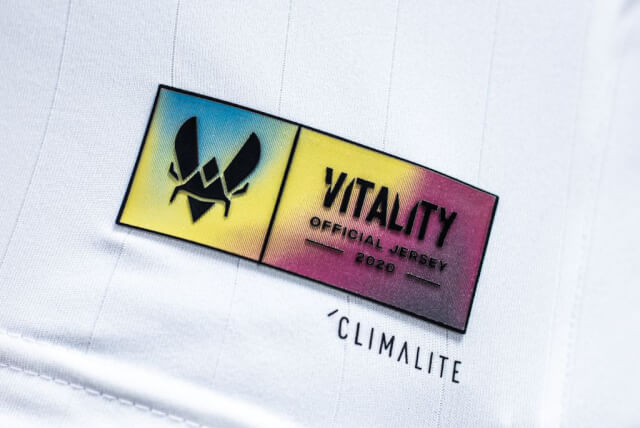
Of course, not every project needs a special effect.
And not every logo automatically becomes better simply because additional technologies are added.
That is why the process usually starts with a different question:
What is the logo supposed to achieve?
For example:
- Should it identify a limited edition?
- Should it support a story?
- Should it highlight specific details?
- Should it create a more premium impression?
- Should it communicate additional information?
- Should it offer a unique tactile experience?
Once those questions have been answered, it becomes much easier to identify the right solution.
At that point, the goal is no longer to add as many effects as possible. The goal is to find the technology that best supports the idea behind the product.
What options are available?

The range of possibilities today is much broader than many people realise.
Depending on the project, options may include:
The best solution always depends on the textile, the design, the application and the intended effect.
A hoodie has different requirements than a match jersey. A merchandise item serves a different purpose than a corporate wear collection. And a limited edition often has very different objectives than a standard product.
That is why it is worth discussing not only the logo itself, but also the role it should play within the overall product.

Conclusion
Some logos work immediately. Others become more interesting the longer you look at them.
Both approaches can be the right choice.
What matters is not how noticeable an effect is, but whether it supports the idea behind the product.
Modern embellishment technologies can do much more than simply display a brand identity. They can interact with light, respond to movement, reveal information or create a unique tactile experience.
The result is a product that may not reveal everything at first glance — and that is often exactly what makes it memorable.
If you're currently working on a jersey, collection or merchandise project and would like to explore which embellishment techniques could support your idea, we'd be happy to help. Sometimes the best way to find the right solution is simply to compare different samples and experience the effects for yourself.


