Know your options and get the most out of your textile embellishment with our heat transfer blog. Explore our blog categories to navigate through specialized insights.
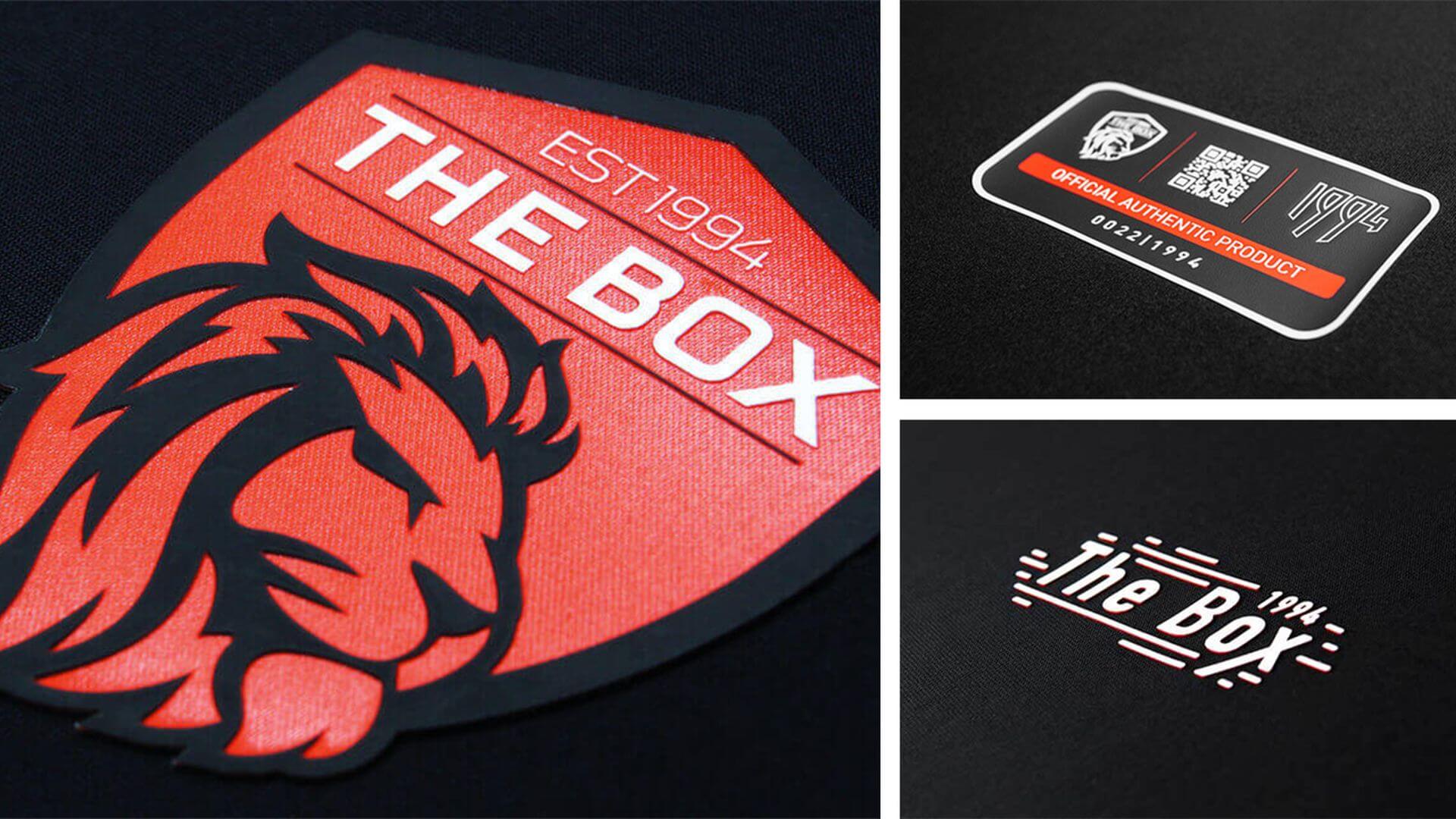
OVER 150 TECHNOLOGIES – YET WE OFTEN RECOMMEND JUST TWO OR THREE
When people first discover our portfolio, they usually ask the same question: "You offer more than 150 different heat transfer technologies. How do you choose the right one?" The answer often surprises them. Although we have more than 150 technologies, we often recommend only two or three technology families for a jersey or merchandise collection. Not because we have fewer options, but because the best results rarely come from using as many effects as possible. They come from choosing technologies that work well together. More choice doesn't mean more effects In theory, we could combine almost anything on a jersey. [...]

WHY THE CLUB CREST ISN'T ALWAYS THE MOST IMPORTANT ELEMENT ON A JERSEY
Ask football fans which element on a jersey matters most, and you'll probably hear the same answer every time: The club crest. And honestly? We completely understand why. The crest represents the club's identity. It connects generations of supporters, brings back memories of special moments, and is often one of the first things people notice when they look at a jersey. At the same time, we've learned something interesting from working on countless jersey projects over the years. A memorable jersey rarely becomes memorable because of the crest alone. More often, it's the smaller details that fans talk about later, [...]
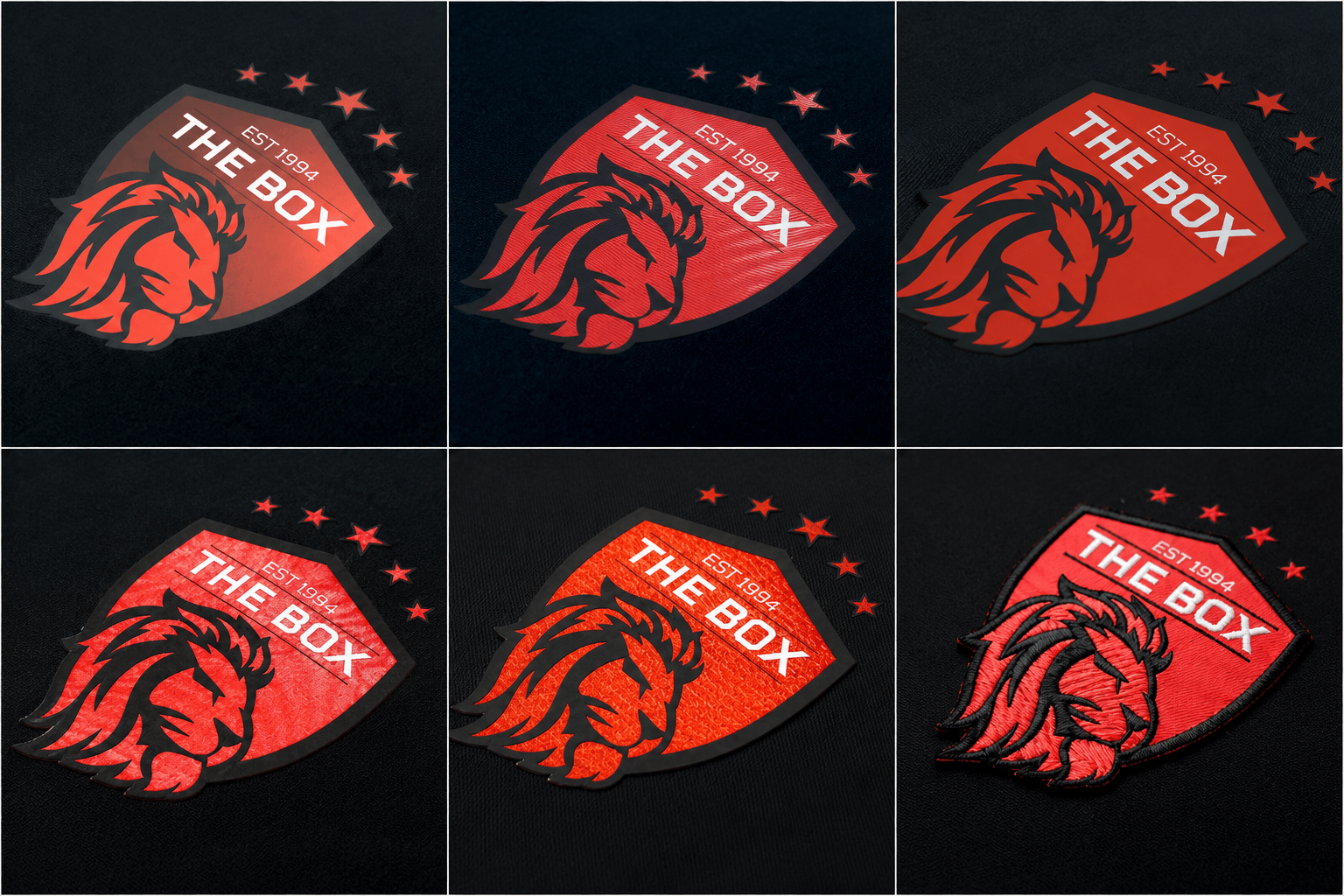
SAME LOGO. DIFFERENT GARMENTS. TAILORED SOLUTIONS.
A club contacts us and needs 5,000 club logos. No problem. The design is final. The colours are defined. The size has been agreed. At first glance, everything seems straightforward. However, during the discussion, we discover that the logos will not only be applied to jerseys and T-shirts. They are also intended for: Softshell jackets Rain jackets And this is where things become more interesting. Because even though the logo remains exactly the same, that does not automatically mean the same solution will work on every garment. The design is often not the challenge Many customers understandably focus on the [...]
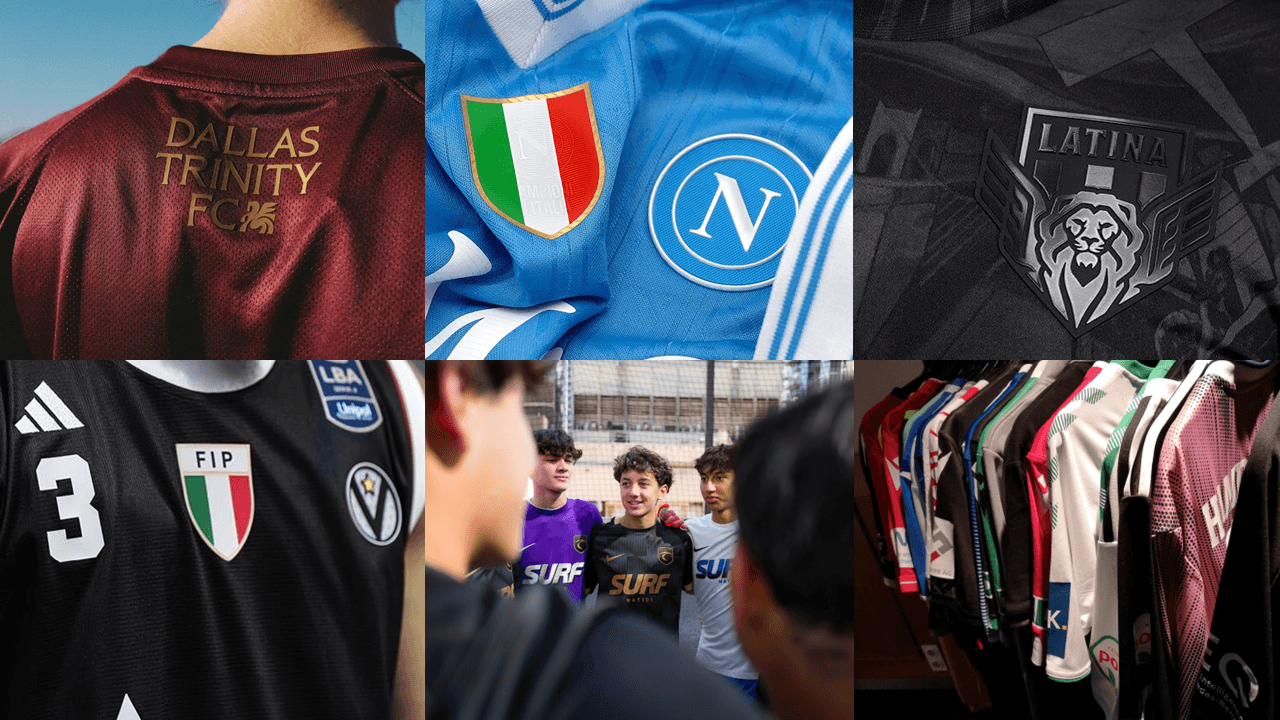
HOW WE SUPPORT MULTIPLE CLUBS BEFORE THE SEASON START – AND WHY GOOD PROCESSES MATTER FOR EVERY CLUB
A new player is signed just before the kit launch. A sponsor updates its logo. The first fan shop orders are already coming in. And the start of the season is getting closer every day. This is the reality many clubs face in the weeks leading up to a new season. From the outside, it often looks like everything revolves around shirts, names and numbers, or making sure products are delivered on time. In reality, preparing for a season launch is far more complex. That is why we are often asked: "How do you manage to prepare multiple clubs for [...]

WHY REFLECTIVE LOGOS ARE NOT JUST FOR RUNNING PRODUCTS
When people think of reflective logos, they usually think of running apparel or safety clothing. And that makes sense. After all, reflective materials were originally developed for exactly those kinds of applications. Their purpose was to improve visibility in low-light conditions or at night. In recent years, however, reflective effects have started appearing in many other places. On special edition jerseys On fanwear On hoodies On jackets On limited collections Not because these products need to be more visible at night. But because reflective elements can also be used as a design feature. And that is exactly what makes them [...]
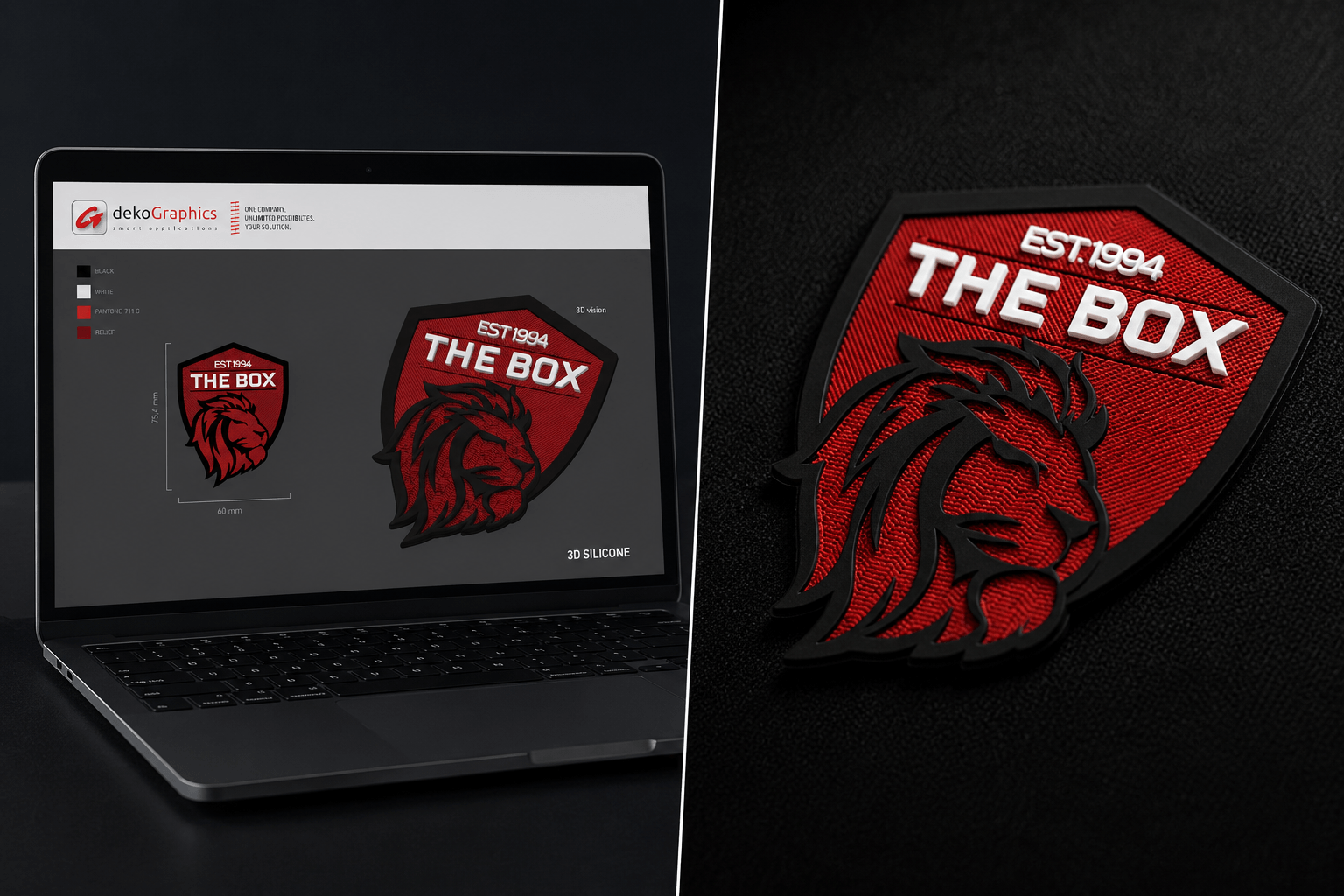
WHY SOME LOGOS LOOK BETTER ON SCREEN THAN IN REAL LIFE – AND VICE VERSA
Yes, a logo can look completely different on your screen than it does on the finished garment. In most cases, that isn't because of a poor artwork file or inaccurate production. It's because certain embellishment techniques only reveal their true character through light , movement , or the way they feel in your hand. That's why renderings and product visualisations are essential throughout the development process, but they can't fully replace a physical sample. Maybe you've experienced this before: Your team has spent weeks developing a new collection or preparing for the launch of a new jersey. The logo has [...]


